
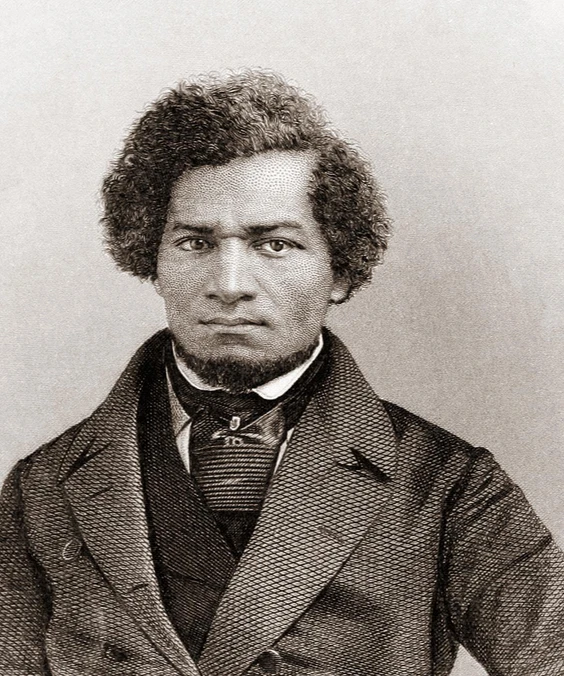

@frederickdouglass· Jan 1, 1881
We needed more to learn how to make a good living than to learn Latin and Greek.
From the public-domain record · 81,371 quotes
Founders, statesmen and world leaders — cited from their collected works.
The figures
We needed more to learn how to make a good living than to learn Latin and Greek.
Their poverty kept them ignorant and their ignorance kept them degraded.
They were shut out from all lucrative employments and compelled to be merely barbers, waiters, coachmen and the like at wages so low that they could lay up little or nothing.
I argued that the want of money was the root of all evil to the colored people.
What I thought of as best was rather a series of workshops, where colored people could learn some of the handicrafts, learn to work in iron, wood, and leather, and where a plain English education could also be taught.
It combined all the power and pathos of preceding publications of the kind, and was hailed by many as an inspired production.
No book on the subject of slavery had so generally and favorably touched the American heart.
Nothing could have better suited the moral and humane requirements of the hour.
In the midst of these fugitive slave troubles came the book known as Uncle Tom’s Cabin, a work of marvelous depth and power.
It became thereafter almost a dead letter, for slaveholders found that not only did it fail to put them in possession of their slaves, but that the attempt to enforce it brought odium upon themselves and weakened the slave system.
To me, they were heroic defenders of the just rights of man against manstealers and murderers.
But the thing which more than all else destroyed the fugitive slave law was the resistance made to it by the fugitives themselves.
Despite the efforts of Daniel Webster and Millard Fillmore and our Doctors of Divinity, the law fell rapidly into disrepute.
Although I was now myself free, I was not without apprehension.
Asleep or awake, at work or at rest, in church or market, he was liable to surprise and capture.
While the law was a terror to the free, it was a still greater terror to the escaped bondman.
Even colored people who had been free all their lives felt themselves very insecure in their freedom, for under this law the oaths of any two villains were sufficient to consign a free man to slavery for life.
Its chief effect was to produce alarm and terror among the class subject to its operation, and this it did most effectually and distressingly.
As a means of recapturing their runaway property in human flesh the law was an utter failure.
The hardships imposed by this atrocious and shameless law were cruel and shocking, and yet only a few of all the fugitives of the Northern States were returned to slavery under its infamously wicked provisions.
I felt like a besieged city at news that its defenders had fallen at its gates.
Now that that evil day is past a sight of those sermons would, I doubt not, bring the red blush of shame to the cheeks of many.
In all this and more it illustrates the experience of reform in all ages, and conforms to the laws of human progress--Measures change, principles never.
But any measure is vindicated by its necessity and its results.