
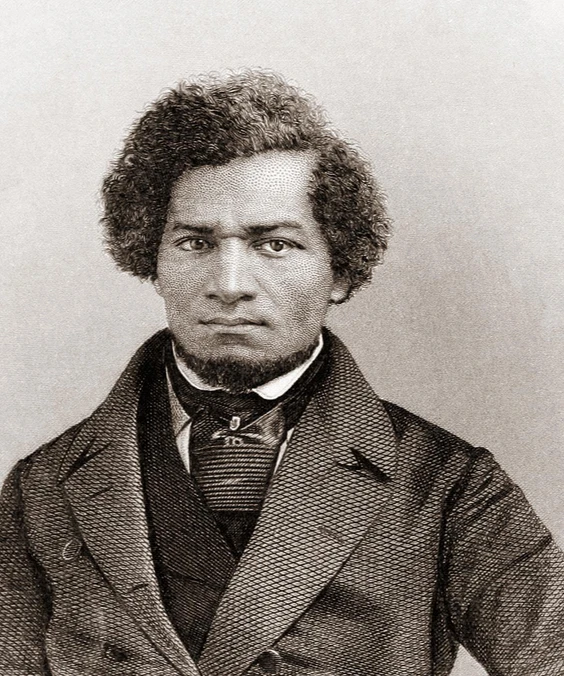

@frederickdouglass· Jan 1, 1881
What though for the moment the hand of violence strikes down the negro’s rights in the South, those rights will revive, survive, and flourish again.
From the public-domain record · 81,371 quotes
Founders, statesmen and world leaders — cited from their collected works.
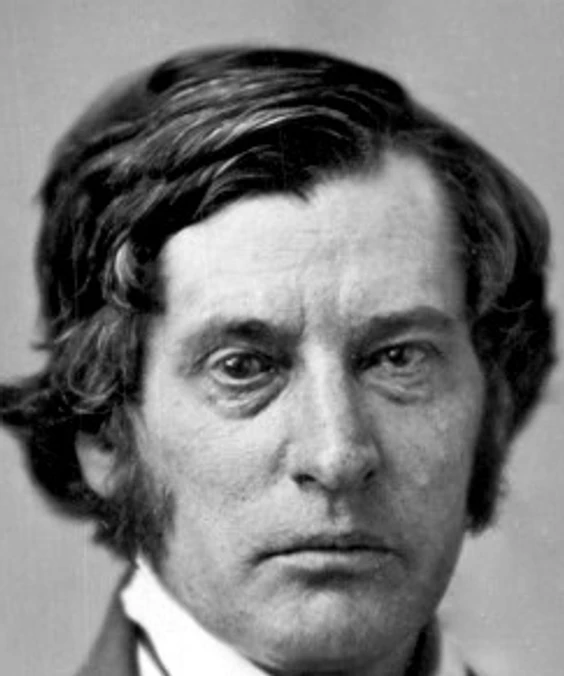
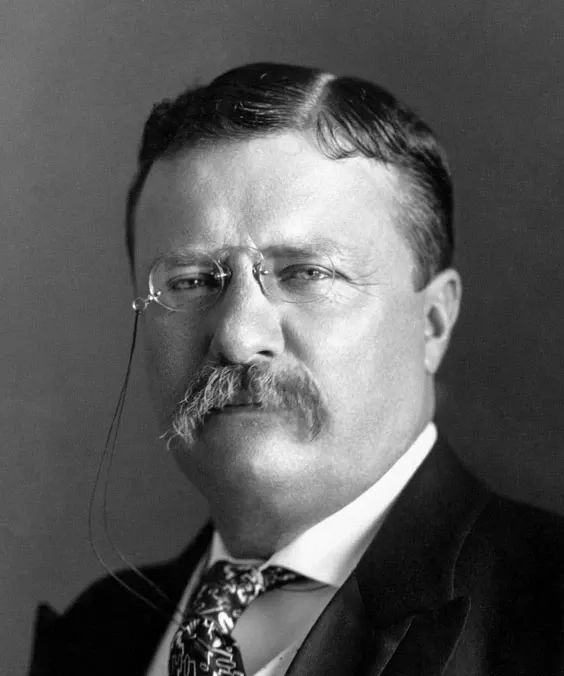
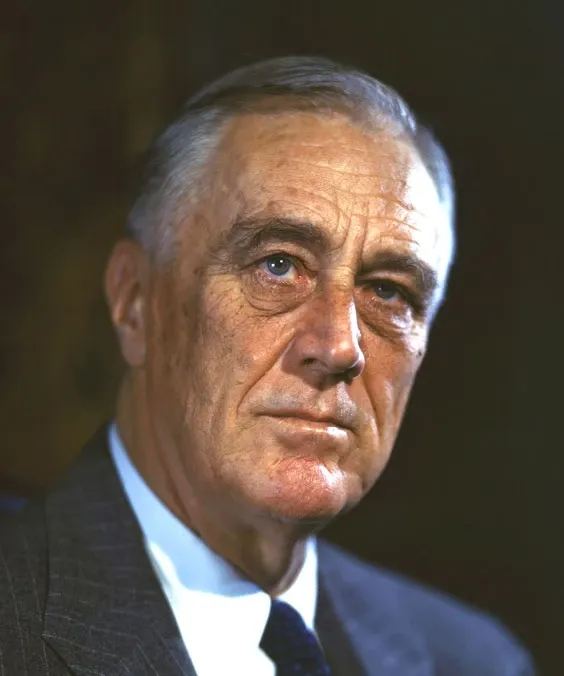
The figures
What though for the moment the hand of violence strikes down the negro’s rights in the South, those rights will revive, survive, and flourish again.
The permanent powers of the government are all on his side.
With power behind him, at work for him, and which cannot be taken from him, the negro of the South may wisely bide his time.
The Fourteenth Amendment makes him a citizen and the Fifteenth makes him a voter.
He has a standing in the supreme law of the land-- in the Constitution of the United States--not to be changed or affected by any conjunction of circumstances likely to occur in the immediate or remote future.
Now he has himself, his labor, and his right to dispose of one and the other as shall best suit his own happiness.
Bad as is the condition of the negro to-day at the South, there was a time when it was flagrantly and incomparably worse.
Hence the freedman, less from humanity than cupidity, less from choice than necessity, was speedily called back to labor and life.
But happily, both for the old master-class, and for the recently emancipated, there came then, as there will come now, the sober second thought.
The policy of the old master-class dictated by passion, pride, and revenge, was then to make the freedom of the negro, a greater calamity to him, if possible, than had been his slavery.
Starvation and death stared him in the face and marked him for their victim.
It is more to him than fire, swords, ballot-boxes, or bayonets.
His labor made him a slave, and his labor can, if he will, make him free, comfortable, and independent.
Since he is free he can now give it or withhold it, use it where he is, or take it elsewhere as he pleases.
This then, is the high vantage ground of the negro; he has labor; the South wants it, and must have it or perish.
An invitation to do this is about as harsh and distasteful to all their inclinations as would be an invitation to step down into their graves.
Hence it is seen that the dependence of the planters, land-owners, and old master-class of the South upon the negro, however galling and humiliating to Southern pride and power, is nearly complete and perfect.
They do not emigrate from the free North, where labor is respected, to a lately enslaved South, where labor has been whipped, chained, and degraded for centuries.
The slave system of that section has left behind it, as in the nature of the case it must, manners, customs, and conditions to which free white laboring men will be in no haste to submit themselves and their families.
Besides being dependent upon the roughest and flintiest kind of labor, the climate of the South makes such labor uninviting and harshly repulsive to the white man.
Nature itself, in those States, comes to the rescue of the negro, fights his battles, and enables him to exact conditions from those who would unfairly treat and oppress him.
The thought of filling his place by any other variety of the human family, will be found delusive and utterly impracticable.
From this condition, shocking for a southern man to contemplate, it is now seen that nothing less powerful than the naked iron arm of the negro, can save her.