
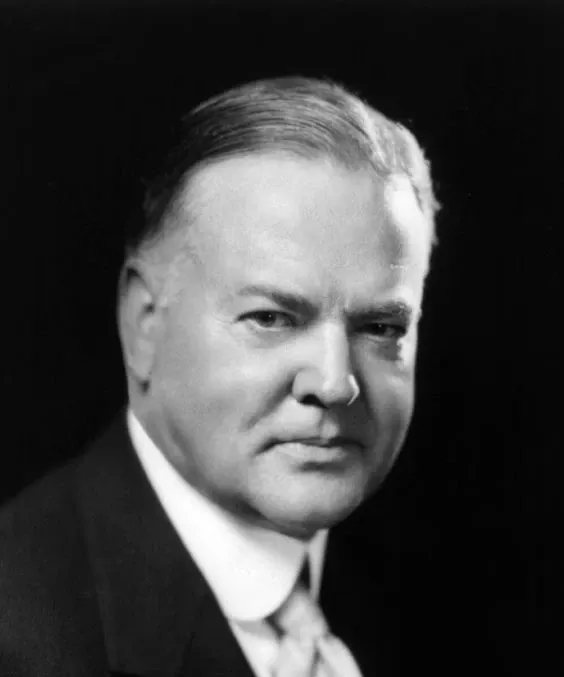

@frederickdouglass· Jan 1, 1881
In that instrument we have laid down the law, now and forever, that there shall be no slavery or involuntary servitude in this republic, except for crime.
From the public-domain record · 81,371 quotes
Founders, statesmen and world leaders — cited from their collected works.
The figures
In that instrument we have laid down the law, now and forever, that there shall be no slavery or involuntary servitude in this republic, except for crime.
It was the ruling wish, intention, and purpose of the loyal people after rebellion was suppressed, to have an end to the entire cause of that calamity by forever putting away the system of slavery and all its incidents.
He has a country, a flag, and a government, and may legally claim full and complete protection under the laws.
By the law and the constitution, the negro is a man and a citizen, and has all the rights and liberties guaranteed to any other variety of the human family, residing in the United States.
By law, by the constitution of the United States, slavery has no existence in our country.
Under a different name, we had the same, or a similar party, here; a party which despised the negro and consigned him to perpetual slavery; a party which was willing to allow the American Union to be shivered into fragments, rather than…
It was the tory party in England that fought the abolition party at home, and the same party it was, that favored our slaveholding rebellion.
But I remembered that during that war, there were two Englands, as there were two Americas, and that one was true to liberty while the other was true to slavery.
Slavery was bleeding and dying, but it was not dead, and no man can tell just when its foul spirit departed from our land, if, indeed, it has yet departed, and hence we do not know what day we may properly celebrate as coupled with this…
No man can tell the day of the month, or the month of the year, upon which slavery was abolished in the United States.
Like our slaves, the freedom of the negro has no birthday.
We celebrate this day, too, for the very good reason that we have no other to celebrate.
Out of this tempest, out of this whirlwind and earthquake of war, came the abolition of slavery, came the employment of colored troops, came colored citizens, came colored jurymen, came colored congressmen, came colored schools in the…
The abolition of slavery in the West Indies gave life and vigor to the abolition movement in America.
Resistance to slavery and the extension of slavery invited and provoked secession and war to perpetuate and extend the slave system.
Slavery would then have been nationalized, and the whole country would then have been subjected to its power.
Had there been no anti-slavery agitation at the North, there would have been no active anti-slavery anywhere to resist the demands of the slave-power at the South, and where there is no resistance there can be no war.
The abolitionists of this country have been charged with bringing on the war between the North and South, and in one sense this is true.
Though her emancipation came in peace, and ours in war; though hers cost treasure, and ours blood; though hers was the result of a sacred preference, and ours resulted in part from necessity, the motive and mainspring of the respective…
She is still the mother country, and the mother, too, of our abolition movement.
England can take no step forward in the pathway of a higher civilization without drawing us in the same direction.
British example became a tremendous lever in the hands of American abolitionists.
The downfall of slavery under British power meant the downfall of slavery, ultimately, under American power, and the downfall of negro slavery everywhere.