
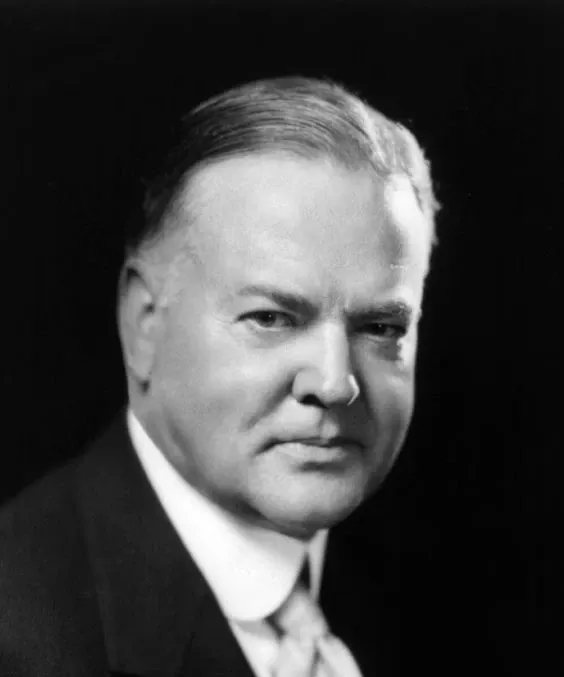

@whitelawreid
In traveling several hundred miles in the State, I did not see a white man at work in the fields, or very many at work anywhere or anyway.
From the public-domain record · 81,371 quotes
Founders, statesmen and world leaders — cited from their collected works.
The figures
In traveling several hundred miles in the State, I did not see a white man at work in the fields, or very many at work anywhere or anyway.
People had not got over regarding negroes as something other than men; and when it appeared that they were imitating the example of the whites, and preparing to protect themselves, forsooth we had straightway cock and bull stories of…
The negro feels himself aggrieved by the petty spites of the men who can no longer hold him enslaved; the master feels himself outraged that one over whom his power had been so absolute should “go to putting on airs this way” in his very…
Doubtless many of these stories were exaggerated; for even in Mississippi murder is not practiced with as much safety as the other fine arts; but no man could mingle in the community and not be convinced that the feeling was there, and…
However kind they may have been to negro property, they were virulently vindictive against a property that escaped from their control.
However these men may have regarded the negro slave, they hated the negro freeman.
There were, of course, many individual exceptions, but the prevailing sentiment with which the negro was regarded, was one of blind, baffled, revengeful hatred.
The boasted confidence in the slave, and the generous friendship for the helpless freedman were all gone.
He would be blind and deaf, who, after a day’s stay anywhere in the interior of Mississippi, failed to discern aright the drift of public opinion toward the negro.
Where the men were Rebels, after the Mississippi pattern of earnestness, some new word must be discovered to define the extent of the hatred the women bore to the Yankee Government.
They may sorrow over the war and its results, but they have no cause for shame or remorse.
While they accept and abide by the result as a finality, they do not now, nor will they ever, stand before the world as culprits and felons.
The people of the South know very well where the guilt and odium of causing the war rests.
The guilt of being the originators of the late civil war lies at the door of the Abolitionists.
The triumphant party may apply to the people of the South all the opprobrious epithets known to the vocabulary of hate, but they can not efface historical records, or rebut documentary testimony.
But how should we regard the office-seeking class, who, after four years’ war against the flag, had suddenly been beaten into new-born but most ardent love for it?
It never protected me; it has robbed me and mine!” That man could be believed.
In the other, it was necessary either to give suffrage to the negro, or to delay reorganization till time had elapsed for passions to cool, and opinions, based on old facts, to conform to the new ones.
Or should further guarantees be exacted, and reorganization delayed until they were furnished?
Should these positions of the Rebels be taken as satisfactory, and should they be thereupon restored to civil power?