
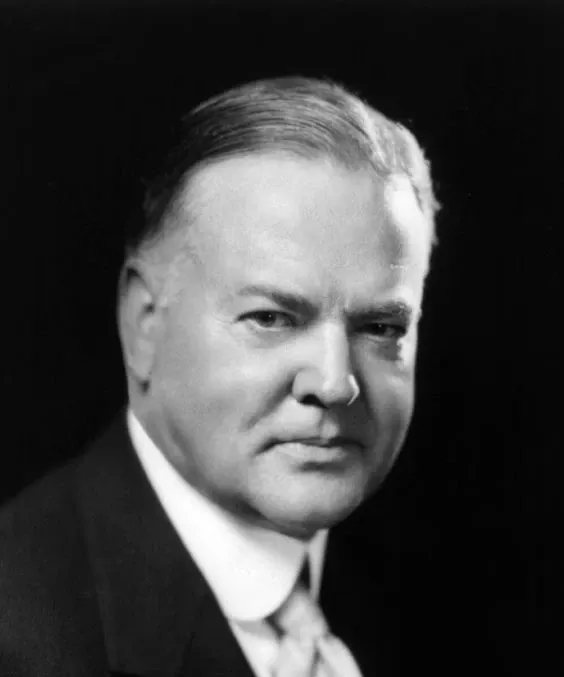

@cicero· 44 BC
Just as the builder of a ship or a house can break them up more easily than any one else, so the nature that knit together the human frame can also best unfasten it.
From the public-domain record · 81,371 quotes
Founders, statesmen and world leaders — cited from their collected works.
The figures
Just as the builder of a ship or a house can break them up more easily than any one else, so the nature that knit together the human frame can also best unfasten it.
The result of this is, that old age is even more confident and courageous than youth.
Again, there is no fixed borderline for old age, and you are making a good and proper use of it as long as you can satisfy the call of duty and disregard death.
This ripeness is so delightful to me, that, as I approach nearer to death, I seem as it were to be sighting land, and to be coming to port at last after a long voyage.
Again, just as apples when unripe are torn from trees, but when ripe and mellow drop down, so it is violence that takes life from young men, ripeness from old.
Accordingly, the death of young men seems to me like putting out a great fire with a deluge of water; but old men die like a fire going out because it has burnt down of its own nature without artificial means.
Now the harvest of old age is, as I have often said, the memory and rich store of blessings laid up in easier life.
An actor, in order to earn approval, is not bound to perform the play from beginning to end; let him only satisfy the audience in whatever act he appears.
Whatever time each is granted for life, with that he is bound to be content.
Hours indeed, and days and months and years depart, nor does past time ever return, nor can the future be known.
For what can be more foolish than to regard the uncertain as certain, the false as true?
If that were not so, life would be conducted better and more wisely; for it is in old men that thought, reason, and prudence are to be found; and if there had been no old men, States would never have existed at all.
After all, who is such a fool as to feel certain--however young he may be--that he will be alive in the evening?
Why then should I be afraid if I am destined either not to be miserable after death or even to be happy?
Death, that is either to be totally disregarded, if it entirely extinguishes the soul, or is even to be desired, if it brings him where he is to exist forever.
But what a poor dotard must he be who has not learnt in the course of so long a life that death is not a thing to be feared?
For can there be anything more absurd than to seek more journey money, the less there remains of the journey?
Yet all these faults are softened both by good character and good education.
Those who have employed it with distinction appear to me to have played the drama of life to its end, and not to have broken down in the last act like unpractised players.
What then are the physical pleasures to be compared with the reward of influence?
Neither white hairs nor wrinkles can at once claim influence in themselves: it is the honourable conduct of earlier days that is rewarded by possessing influence at the last.
From which may be deduced what I once said with universal applause, that it was a wretched old age that had to defend itself by speech.
In fact, old age, especially when it has enjoyed honours, has an influence worth all the pleasures of youth put together.
I will put it briefly: nothing can either furnish necessaries more richly, or present a fairer spectacle, than well-cultivated land.