

@marcusaurelius· Jan 1, 175
Consider that everything is opinion, and opinion is in thy power.
From the public-domain record · 81,371 quotes
Founders, statesmen and world leaders — cited from their collected works.
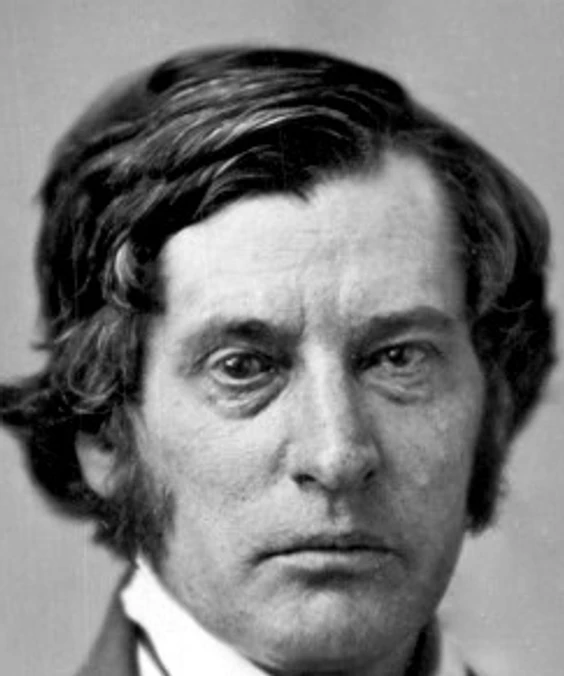
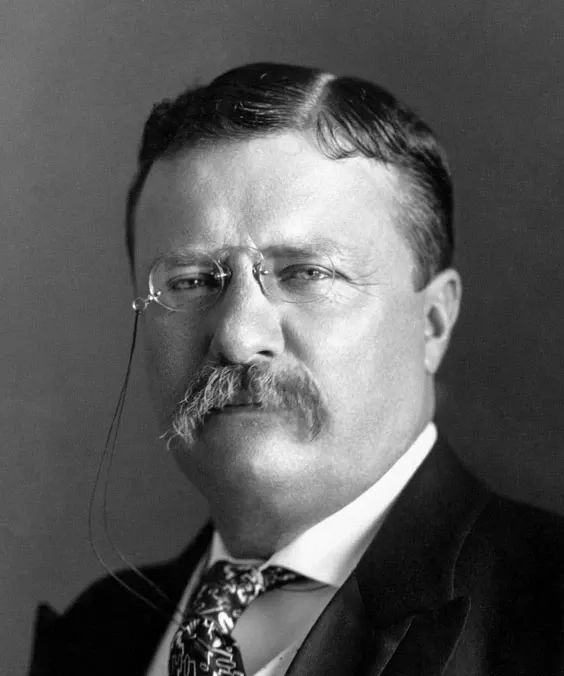
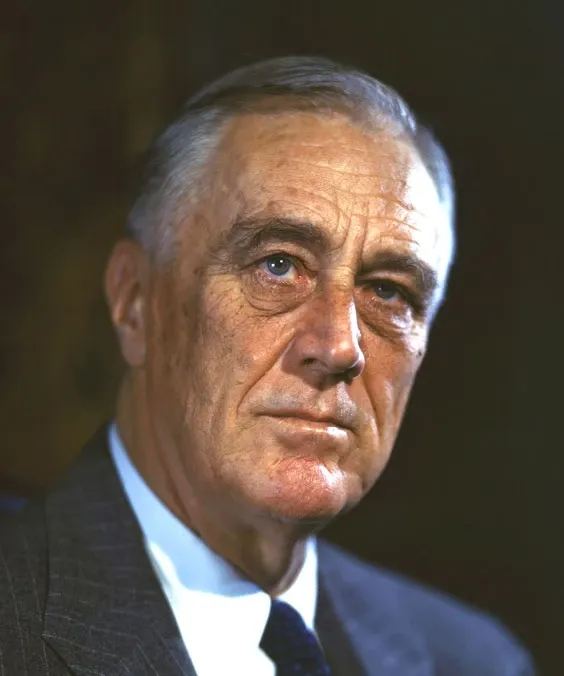
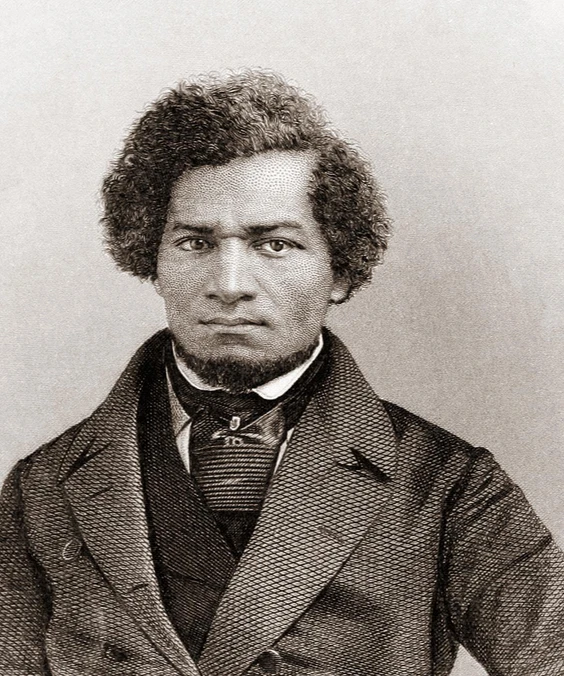
The figures
Consider that everything is opinion, and opinion is in thy power.
For all things are formed by nature to change and be turned and to perish, in order that other things in continuous succession may exist (ix. 28).
Consider that before long thou wilt be nobody and nowhere, nor will any of the things exist which thou now seest, nor any of those who are now living.
Second, make thy acts refer to nothing else than to a social end.
Perceive at last that thou hast in thee something better and more divine than the things which cause the various affects, and as it were pull thee by the strings.
In everything always observe what the thing is which produces for thee an appearance, and resolve it by dividing it into the formal, the material, the purpose, and the time within which it must end.
Consider that he who would not have the bad man do wrong, is like the man who would not have the fig-tree to bear juice in the figs, and infants to cry, and the horse to neigh, and whatever else must of necessity be.
And even if he has done wrong, how do I know that he has not condemned himself?
And even if the tempest carry thee away, let it carry away the poor flesh, the poor breath, everything else; for the intelligence at least it will not carry away.
But if there is a confusion without a governor, be content that in such a tempest thou hast in thyself a certain ruling intelligence.
But if there is a providence which allows itself to be propitiated, make thyself worthy of the help of the divinity.
If then there is an invincible necessity, why dost thou resist?
Either there is a fatal necessity and invincible order, or a kind providence, or a confusion without a purpose and without a director (iv. 27).
How ridiculous and what a stranger he is who is surprised at anything which happens in life.
With respect to that which happens conformably to nature, we ought to blame neither gods, for they do nothing wrong either voluntarily or involuntarily, nor men, for they do nothing wrong except involuntarily.
What a power man has to do nothing except what God will approve, and to accept all that God may give him.
In the application of thy principles thou must be like the pancratiast, not like the gladiator; for the gladiator lets fall the sword which he uses and is killed; but the other always has his hand, and needs to do nothing else than use it.
Consider in what condition both in body and soul a man should be when he is overtaken by death; and consider the shortness of life, the boundless abyss of time past and future, the feebleness of all matter.
Practise thyself even in the things which thou despairest of accomplishing.
For if it were just, it would also be possible; and if it were according to nature, nature would have had it so.
I have often wondered how it is that every man loves himself more than all the rest of men, but yet sets less value on his own opinion of himself than on the opinion of others.
For he who regards not the poor flesh which envelops him, surely will not trouble himself by looking after raiment and dwelling and fame and such like externals and show.
And let neither another man's wickedness hinder thee, nor opinion nor voice, nor yet the sensations of the poor flesh which has grown about thee; for the passive part will look to this.