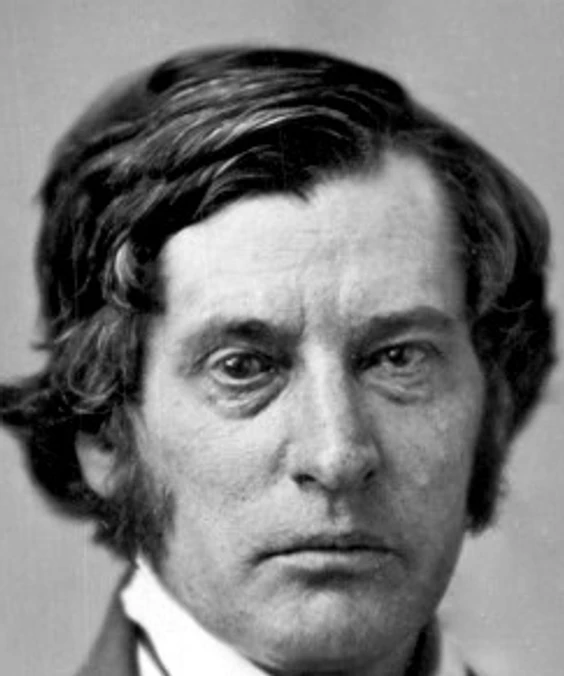
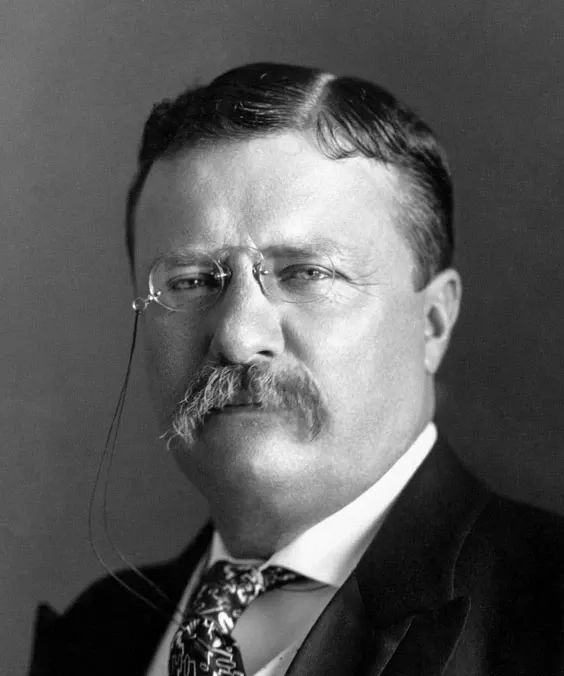
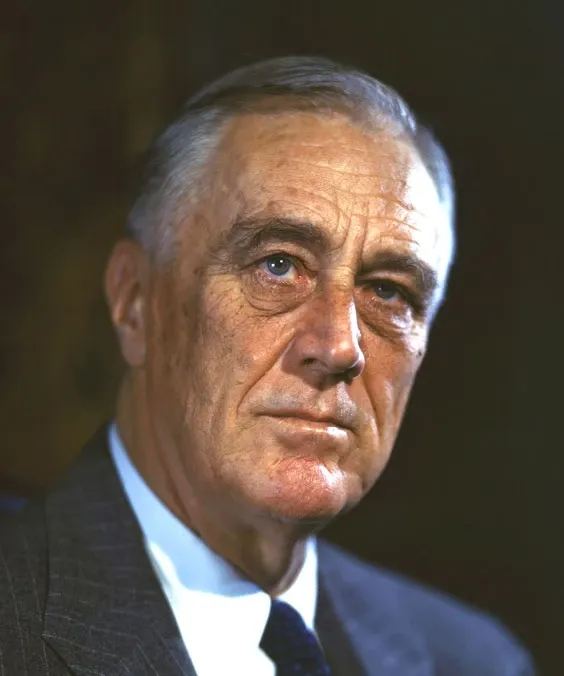
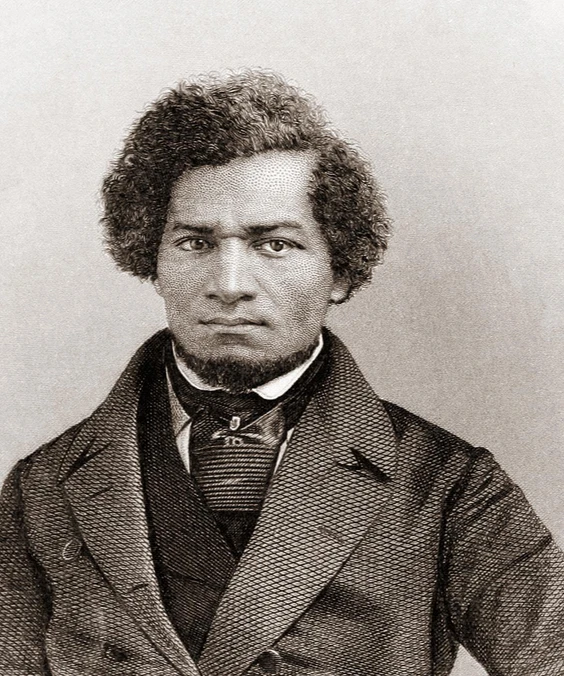
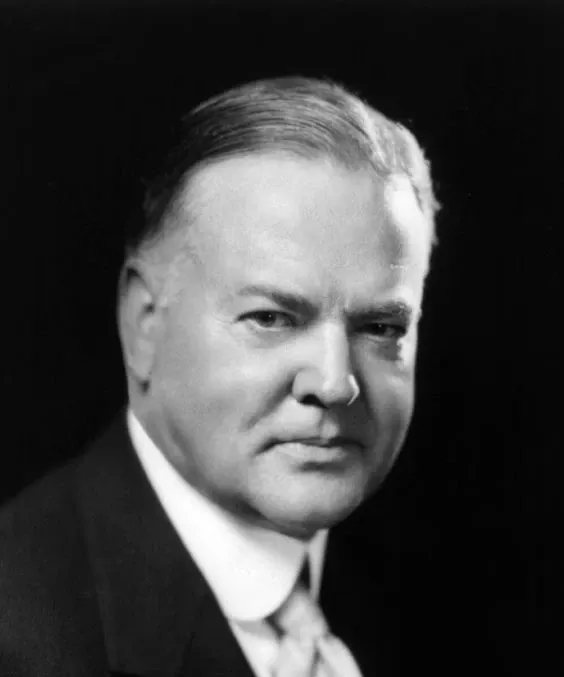
As politicians we ought not so much to ground our hopes on the reasonableness of the thing we ask, as on the reasonableness of the person of whom we ask it: who would expect discretion from a fool, candor from a tyrant, or justice from a…
From the public-domain record · 81,371 quotes
Historical voices
Founders, statesmen and world leaders — cited from their collected works.
The figures
Nothing but the sharpest essence of villany, compounded with the strongest distillation of folly, could have produced a menstruum that would have effected a separation.
Good heavens! what volumes of thanks does America owe to Britain?
Independence was a doctrine scarce and rare, even towards the conclusion of the year 1775; all our politics had been founded on the hope of expectation of making the matter up--a hope, which, though general on the side of America, had…
I am confident there are thousands and tens of thousands in America who wonder now that they should ever have thought otherwise; but the sin of that day was the sin of civility; yet it operated against our present good in the same manner…
They were certain of success, and the field of battle was the only place of treaty.
From every circumstance it is evident, that it was the determination of the British court to have nothing to do with America but to conquer her fully and absolutely.
But even this petition, flattering as it was, was still not so harmonious as the chink of cash, and consequently not sufficiently grateful to the tyrant and his ministry.
But Providence, who best knows how to time her misfortunes as well as her immediate favors, chose this to be the time, and who dare dispute it?
The suffering likewise softened the whole body of the people into a degree of pliability, which laid the principal foundation-stone of union, order, and government; and which, at any other time, might only have fretted and then faded away…
That men never turn rogues without turning fools is a maxim, sooner or later, universally true.
Every designed quarrel had its pretence; and the same barbarian avarice accompanied the plant to America, which ruined the country that produced it.
They had ravaged one part of the globe, till it could glut them no longer; their prodigality required new plunder, and through the East India article tea they hoped to transfer their rapine from that quarter of the world to this.
On the one hand they refused to hear the petition of the continent, and on the other hand took effectual care the continent should not hear them.
Numbers of the moderate men, whose chief fault, at that time, arose from entertaining a better opinion of Britain than she deserved, convinced now of their mistake, gave her up, and publicly declared themselves good Whigs.
Pity for the sufferers, mixed with indignation at the violence, and heightened with apprehensions of undergoing the same fate, made the affair of Lexington the affair of the continent.
Perhaps a more heart-felt convulsion never reached a country with the same degree of power and rapidity before, and never may again.
I look through the present trouble to a time of tranquillity, when we shall have it in our power to set an example of peace to all the world.
We may not, perhaps, be wise enough to make all the advantages we ought of our independence; but they are, nevertheless, marked and presented to us with every character of great and good, and worthy the hand of him who sent them.
A scene of the same kind might happen again; for America, considered as a subject to the crown of Britain, would ever have been the seat of war, and the bone of contention between the two powers.
Those who were advocates for the British government over these colonies, were obliged to limit both their arguments and their ideas to the period of an European peace only; the moment Britain became plunged in war, every supposed…
By being our own masters, independent of any foreign one, we have Europe for our friends, and the prospect of an endless peace among ourselves.
By having Britain for our master, we became enemies to the greatest part of Europe, and they to us: and the consequence was war inevitable.


