
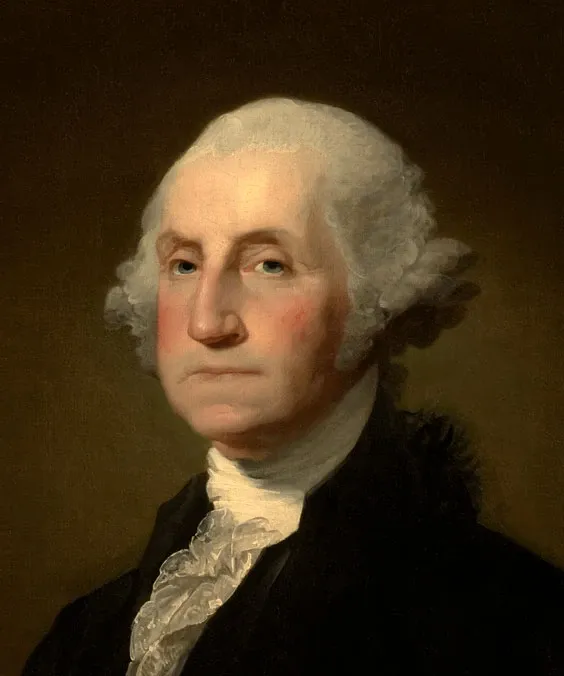
@georgewashington· Independent · VA· Apr 29, 1789
To encourage literature and the arts is a duty which every good citizen owes to his country.
On the record
Quotes from current and former Presidents.
Current presidents
Former presidents
To encourage literature and the arts is a duty which every good citizen owes to his country.
There is nothing which can better deserve our patronage than the promotion of science and literature. Knowledge is in every country the surest basis of public happiness.
The preservation of the sacred fire of liberty, and the destiny of the Republican model of Government, are justly considered... deeply, perhaps as finally, staked on the experiment entrusted to the hands of the American people.
Labor to keep alive in your breast that little spark of celestial fire called conscience.
My movements to the chair of Government will be accompanied by feelings not unlike those of a culprit who is going to the place of his execution.
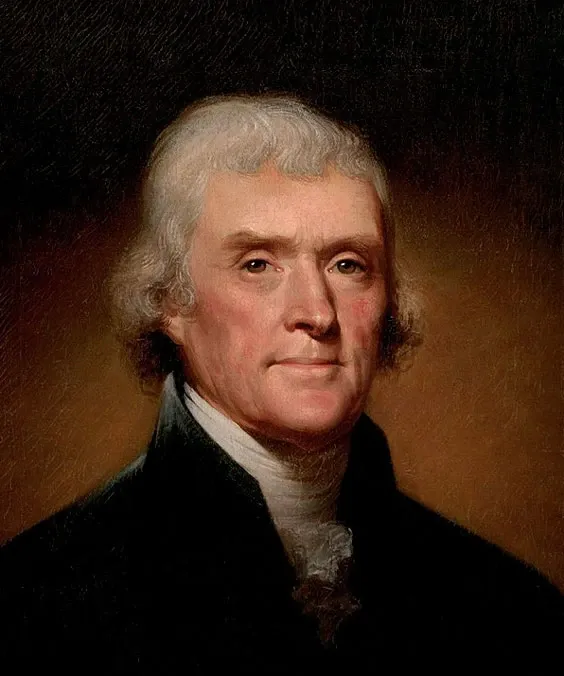
Whenever the people are well-informed, they can be trusted with their own government * * * whenever things get so far wrong as to attract their notice, they may be relied on to set them to rights.
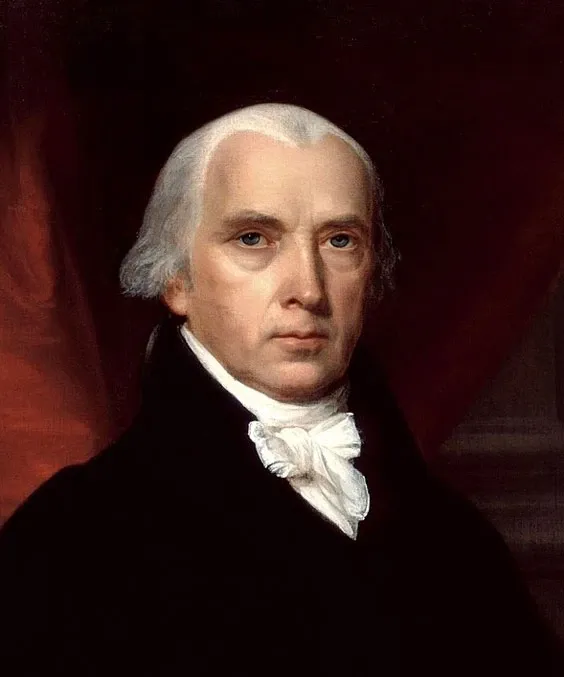
In a society under the forms of which the stronger faction can readily unite and oppress the weaker, anarchy may as truly be said to reign as in a state of nature.
Ambition must be made to counteract ambition.
If men were angels, no government would be necessary. If angels were to govern men, neither external nor internal controls on government would be necessary.
In republican government, the legislative authority necessarily predominates.
Wherever the real power in a Government lies, there is the danger of oppression.
Truth will ultimately prevail where there is pains to bring it to light.
Liberty, when it begins to take root, is a plant of rapid growth.
The public good is disregarded in the conflicts of rival parties, and the measures are too often decided, not according to the rules of justice and the rights of the minor party, but by the superior force of an interested and overbearing majority.
The diversity in the faculties of men from which the rights of property originate is not less an insuperable obstacle to a uniformity of interests.
It is in vain to say that enlightened statesmen will be able to adjust these clashing interests, and render them all subservient to the public good. Enlightened statesmen will not always be at the helm.
Liberty is to faction what air is to fire, an aliment without which it instantly expires.
As long as the reason of man continues fallible, and he is at liberty to exercise it, different opinions will be formed.