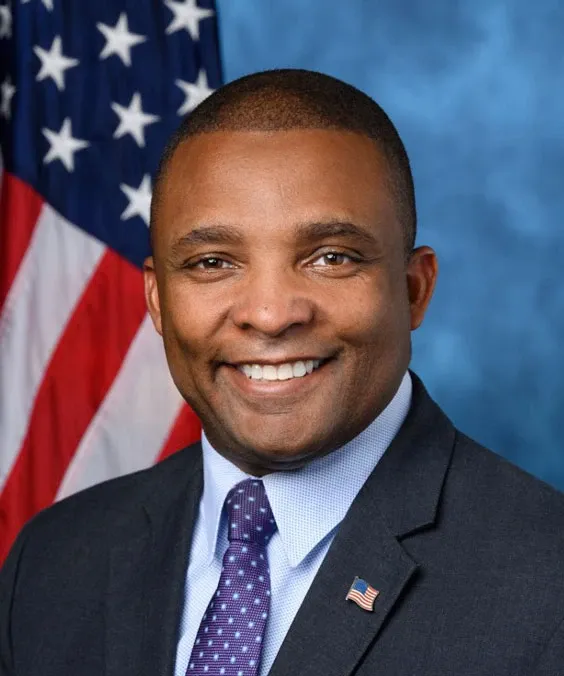
On the recordApril 10, 2008
There is a fundamental issue that we face in this rule, and it is this: Does Congress cede its authority under the Constitution to the executive, or does it exercise it? Mr. Speaker, from a distance--I have only been here a little over a year--I watched with dismay as a citizen, seeing Congress year after year relinquish its authority, turn that over to the executive, not do its job of accountability and oversight, not do its job on trade, essentially not exercise the constitutional authority that we are custodians of, each and every one of the 435 Members who have been elected. The President exercised his prerogative under a rule that was enacted by this House in 1974, but against the advice of the Speaker and against the advice of the Senate majority leader. The bottom line question is: Will Congress assert the authority that it has under the Constitution? We can exercise it. The best circumstances, we do it in cooperation and in consultation with the executive.
Source
govinfo.gov