In March, the House passed H.R. 672. On April 17, the Senate Judiciary Committee reported our companion bill, S. 506. The only substantive difference between the two bills is that S. 506 provides that the reasonable costs of a ratemaking proceeding conducted by a copyright arbitration royalty panel will be split 50-50 between the parties who would receive royalties from the royalty rate adopted in the proceeding and the parties who would pay the royalty rate so adopted. H.R. 672 provides that the costs shall be borne by the parties in direct proportion to their share of the distribution. The Copyright Office believes that the House version provides the copyright arbitration royalty panels with greater flexibility in certain circumstances. It is for this reason that the Senate is taking up the House version of the bill. Last year, when the House considered and passed a similar bill, H.R. 1861, it included another section clarifying that the distribution of phonorecords prior to 1978 did not constitute action divesting copyright for the musical composition.
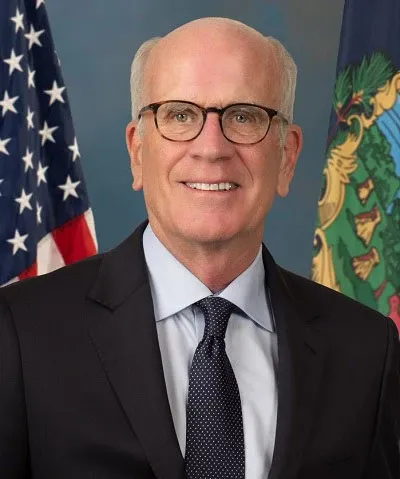
Patrick Leahy: “In March, the House passed H.R. 672. On April 17, the Senate Judiciary Committee reported our companion bill, S. 506.…”
Editor's note · Context
Discussing the differences between two copyright bills in the Senate.
Share
More from Patrick Leahy
a continuing resolution to March 10 is short-sighted and wholly unnecessary. It imperils our national security, and it ignores the real pain and consequences of inflation. Without funding from a full-year omnibus appropriations bill, the…
I brought a lot of bills to the floor here. This will be the last one I bring to the floor of the Senate. But it is one that we have to act on quickly or we risk a government shutdown. This omnibus appropriations bill provides $1.7…
on behalf of Vermonters, today I was proud to vote for the final passage of the Respect for Marriage Act. Today, we became a slightly more perfect union by recognizing the sanctity of marriage between two individuals, regardless of gender…
in 1986, when much of Central America was embroiled in armed conflicts in which hundreds of thousands of people, overwhelmingly civilians, were killed, a group of parishioners from the Franconia, NH, Congregational Church established…