Nov 4, 1811
I can not close this communication without expressing my deep sense of the crisis in which you are assembled.
The Public Record
James Madison was an American statesman and political theorist who served as the fourth President of the United States from 1809 to 1817. A member of the Democratic-Republican Party, he played a crucial role in the drafting and promotion of the United States Constitution and the Bill of Rights, earning him the title 'Father of the Constitution.' Madison's presidency was marked by the War of 1812, during which he faced challenges such as British interference with American shipping and the burning of Washington, D.C.
I can not close this communication without expressing my deep sense of the crisis in which you are assembled.
It was hoped that the successive confirmations of the extinction of the French decrees would have induced the Government of Great Britain to repeal its orders in council.
In a society under the forms of which the stronger faction can readily unite and oppress the weaker, anarchy may as truly be said to reign as in a state of nature.
In republican government, the legislative authority necessarily predominates.
If men were angels, no government would be necessary. If angels were to govern men, neither external nor internal controls on government would be necessary.
Wherever the real power in a Government lies, there is the danger of oppression.
As long as the reason of man continues fallible, and he is at liberty to exercise it, different opinions will be formed.
The diversity in the faculties of men from which the rights of property originate is not less an insuperable obstacle to a uniformity of interests.
It is in vain to say that enlightened statesmen will be able to adjust these clashing interests, and render them all subservient to the public good. Enlightened statesmen will not always be at the helm.
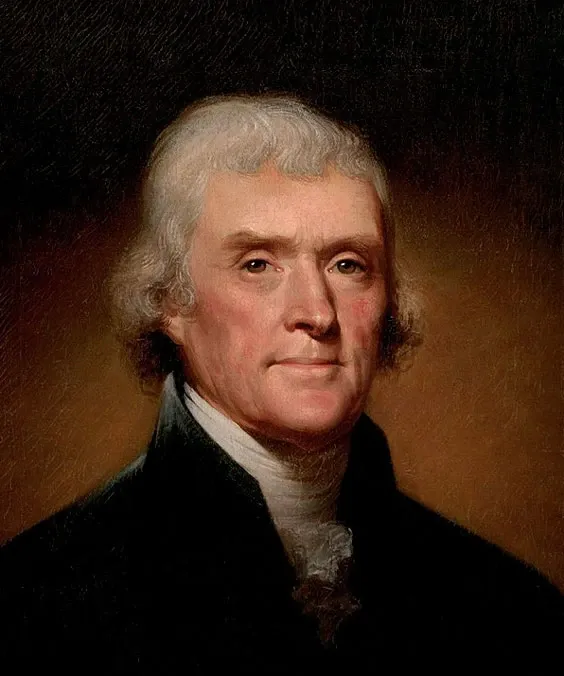
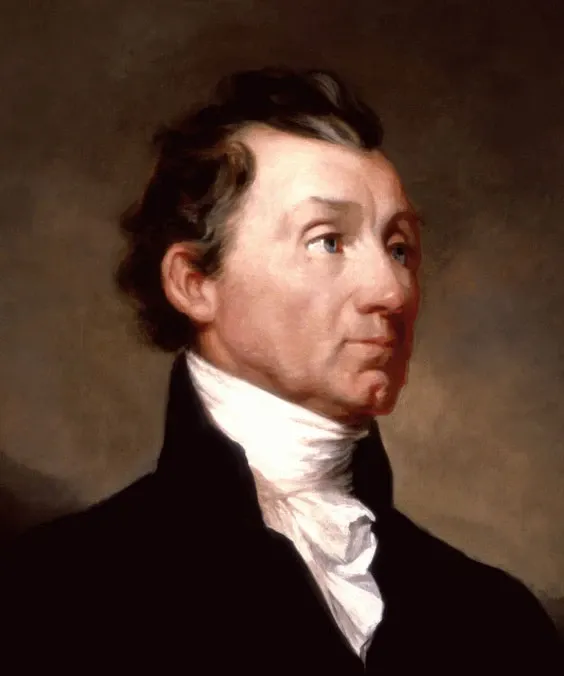
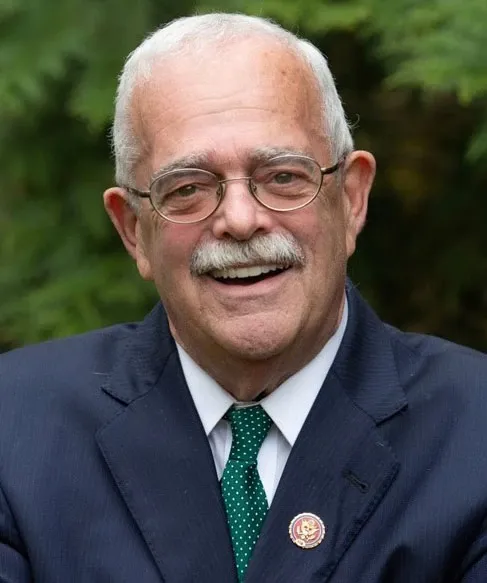
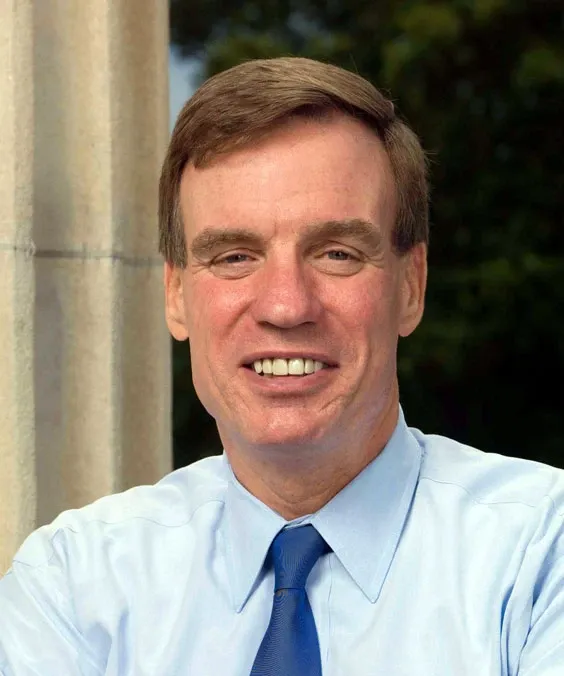
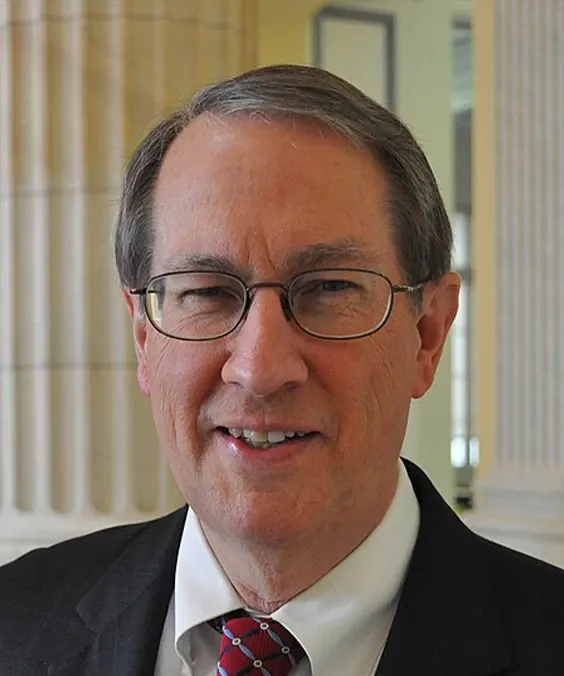
Politicians like James Madison