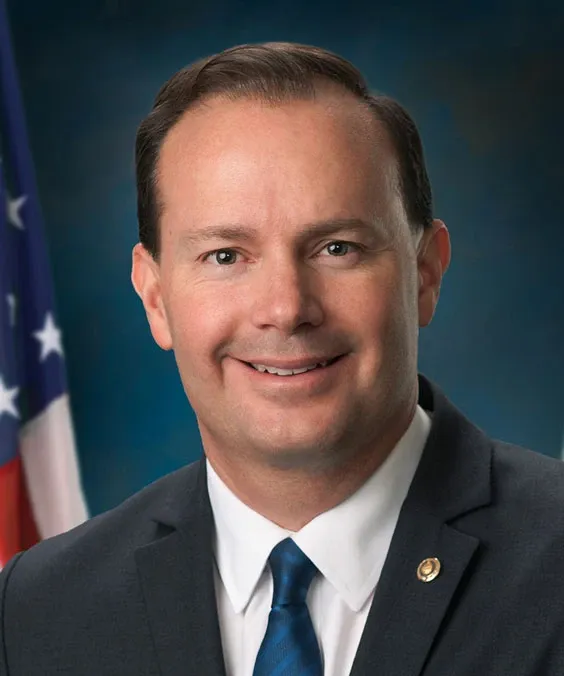
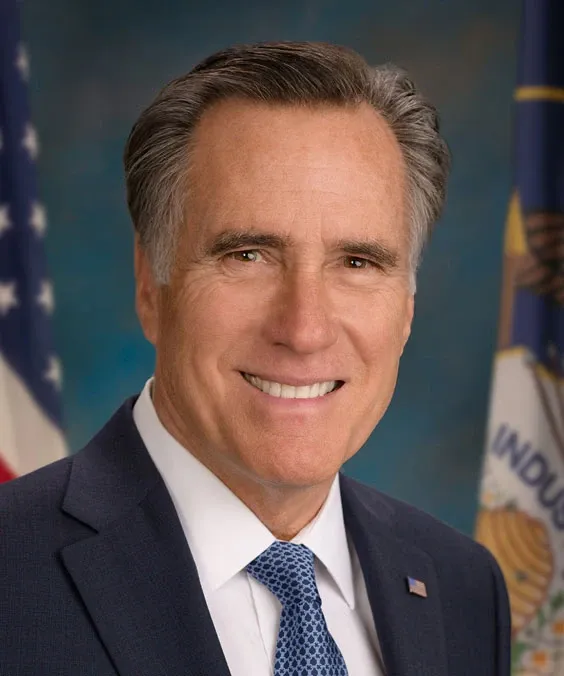
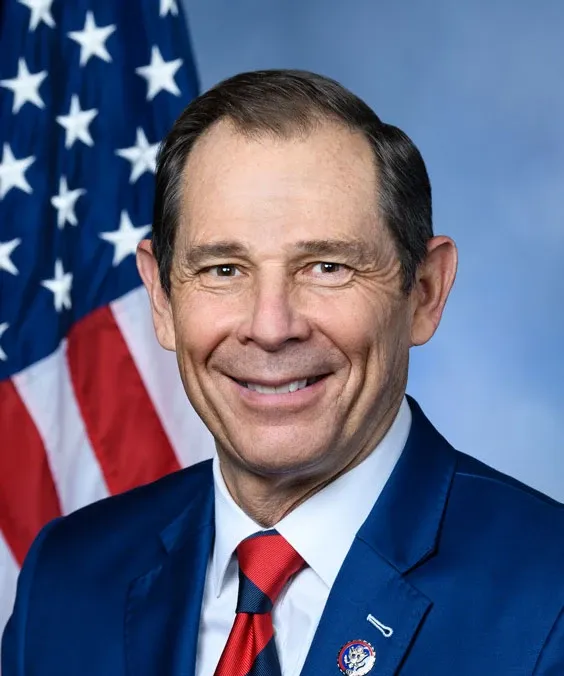
Who we are hurting are real people, and those people who are in the middle income and those people who are on the edges of our society and those people on fixed incomes, which is about 45 million Americans, those are the ones who get hurt first. And the more we talk about the philosophy, what should or should not be done, and the later we decide to take as our policy statement that we will become energy secure and energy independent and we will develop all the resources we have at our disposal to become energy independent, that's when we actually decide to try and help people.
Rob Bishop: “Who we are hurting are real people, and those people who are in the middle income and those people who are on the edges…”
Editor's note · Context
Discussing the impact of energy policy on middle and fixed income Americans.
Share
More from Rob Bishop
All of those legitimate questions are not going to be addressed in this Committee hearing today.
Instead of helping, it seems the Majority is more interested in putting fishermen's livelihood at risk in the name of faux conservation.
I include in the Record two documents. The first document is the dissenting views that Republicans filed on this bill in the committee. The second is the summary of problems that the Department of Commerce Inspector General, the GAO and…
The Dingell Act, 2 years ago, was bipartisan. If this were bipartisan, we would not be here. But to illustrate that, I yield 3 minutes to the gentleman from Arizona (Mr. Gosar).