On the recordMay 14, 2008
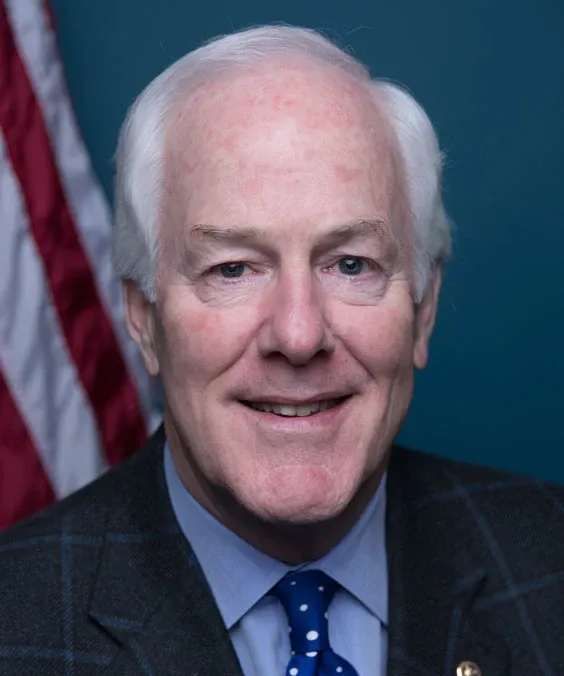
I rise in support of the Food, Conservation, and Energy Act of 2008. There have been a lot of figures and a lot of terms thrown around in this room today about payment limits and adjusted gross income, but let's really talk about what this bill is about, and what this bill is about is feeding and clothing the American people, to making sure that they continue to have access to the safest, highest quality products in the world. By the way, they are also the most affordable. Now, one of the things that some people talk about is all of these rich farmers. Now, I will tell you it's very interesting. If it is as lucrative as everyone says, why is the number of farmers in America dropping? Go to a Farm Bureau meeting some evening in west Texas and see how many young farmers are dying to get into the farming business, or even have the capacity to get into the farming business. I think it's also interesting, when we look at this bill, that about 70 percent of this bill has to do with providing an opportunity for those people that need a little extra helping hand to make sure that they do have a quality meal during the day, and that is in some of our food stamp and nutrition programs. Yet only 12 percent of this bill has anything to do with growing something. Now, let me tell you that if you are going to feed and clothe people, I want everybody to know that those things just don't show up at the department store and the grocery store. Somebody actually has to produce it.
Source
govinfo.gov