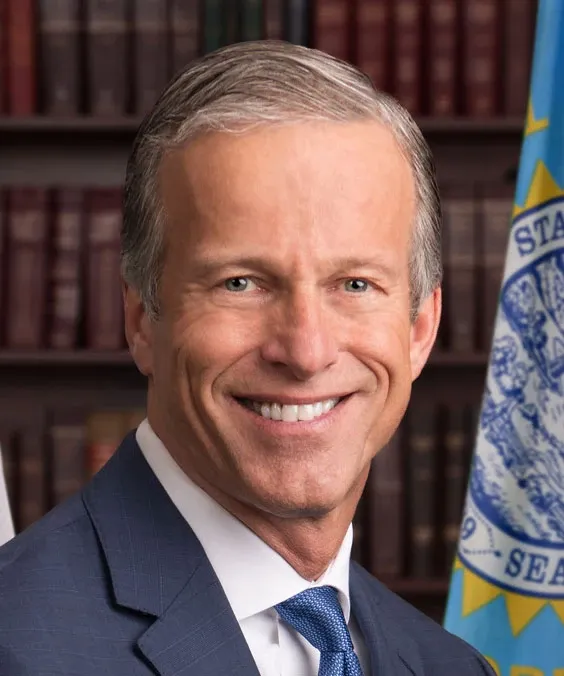
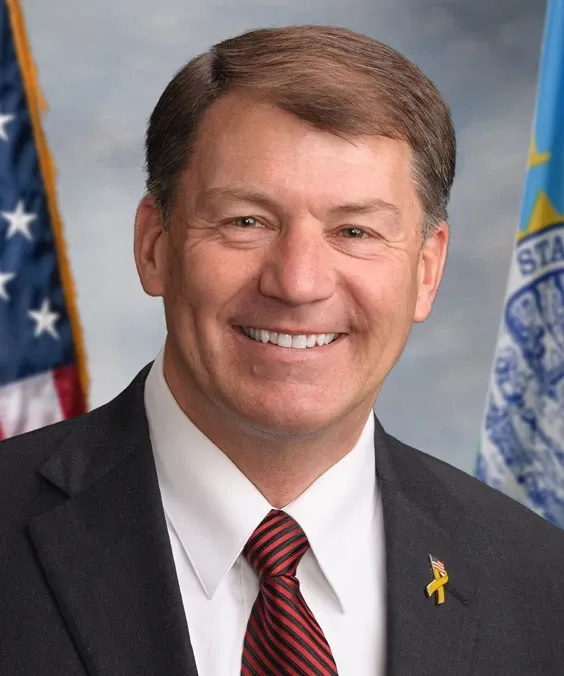
I represent a western gold mining State. I have just returned recently from examining the Brohm site in the beautiful Black Hills of South Dakota where the Brohm Mining Company has gone bankrupt with approximately a $5 million bond. That site has now been declared a Superfund site. It is now going to cost the Federal taxpayers approximately $27 million because of the inadequacy of the bond at this site. It is going to cost the taxpayers of the State of South Dakota in perpetuity tens of millions of dollars to monitor the streams and the environment around that bankrupt site. Is the Senator telling us that without the amendment he is offering here, we will continue to see these inadequate bonds and these costs being shifted to the taxpayers to pick up the cost of mining companies--oftentimes foreign mining companies--that have spoiled our land and then walk on?
Dusty Johnson: “I represent a western gold mining State. I have just returned recently from examining the Brohm site in the beautiful…”
Editor's note · Context
Discussing the financial implications of mining company bankruptcies and environmental cleanup costs.
Share
More from Dusty Johnson
I came to the floor 2 weeks ago with a completely nonpartisan, very sincere attempt with a bill that we call the Shutdown Fairness Act to simply pay the Federal workers whom we were requiring to work, the finest among us: the members of…
as my colleague from Louisiana wishes we were all here voting on the deal and that my colleagues on the other side had taken yes for an answer to open up the government, I wish that is what I was on the floor here today to do. That is not…
Again, let me correct--I hate to say--falsehoods that were presented here in the Chamber. My bill is completely silent in terms of Presidential authority. To the Senator from Michigan, I know they want to put language in there to restrict…
Great. Listen, listen, I have barely spent any time here, OK. The bottom line is, in those hearings, I asked witnesses: How much have we spent combating climate change? Five to six trillion dollars. Our Energy Secretary puts the number at…