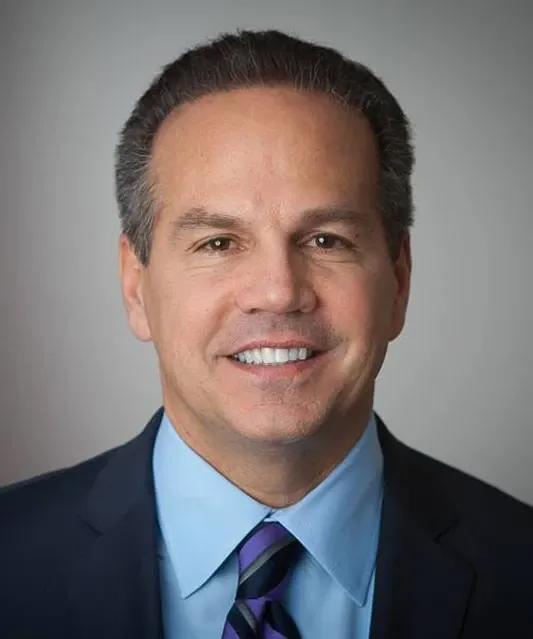
One of the sad but true causes of so many bankruptcies of families throughout this country is the fact that they are overwhelmed by medical bills. Now, this is obvious when it comes to those people without insurance, because for those people, getting sick in America not only means being ill, it also very often means going broke. But one of the other aspects that is startling to so many is that many families with insurance, particularly health maintenance organization insurance, find themselves in similar situations where the insurance they paid for, they thought they bargained for, evaporates when they actually have a health care crisis. That is why it is so very, very important to engage in a thorough debate and legislative action with respect to the Patients' Bill of Rights. I join all of my colleagues in issuing a challenge to the leadership of this body to bring up the Patients' Bill of Rights so we can debate it, we can consider it, and hopefully we can pass it.
Jack Reed: “One of the sad but true causes of so many bankruptcies of families throughout this country is the fact that they are…”
Editor's note · Context
Addressing the impact of medical bills on family bankruptcies and advocating for the Patients' Bill of Rights.
Share
More from Jack Reed
It is far past time for President Trump to recognize the lasting harm that Pete Hegseth is inflicting on the Department of Defense.
I rise today to oppose a budget resolution my Republican colleagues have put before the U.S. Senate. The American people are worried because of the pure chaos let loose on them by President Trump and the Republican majority--whether it is…
When President Trump cuts military exercises to flatter a dictator or punishes South Korea for declining to join a war he started, all of our allies – and adversaries – think that America’s commitments are negotiable.
For decades, Pell grants have been the cornerstone of our federal financial aid programs. Today, with the costs of higher education continuing to increase, these grants cover a shrinking percentage of the actual cost of college.