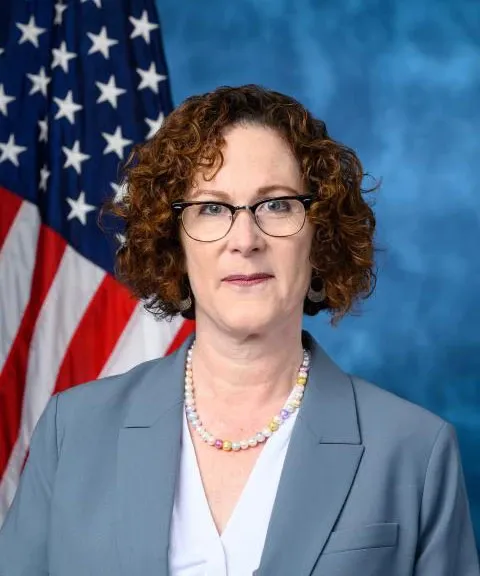
On the recordApril 29, 2004
having been involved in this issue now for 8 years, I can say it has never been easy. Certainly what we have seen today demonstrates that once more. But I think the Senate has made an important statement today; that is, as we try to lay out the policies that will say a lot about the future of the Internet, it is critically important this exciting opportunity for Americans not be subject to more discriminatory taxes. We have said once again in the Senate, we want to try to find common ground around the principle of technological neutrality, for example. If we do not do that, we will be discriminating against the future, because if we do not work it out now in the amendment process, broadband services delivered through DSL would be taxed and Internet access through cable would not be taxed. That is not technological neutrality. What is going to give Americans the best array of technologies at the cheapest prices is true competition where there is a level playing field for the various technologies. I have said repeatedly I don't want to see the people who now get the message 'You've got mail' to get a message that says 'You've got special taxes.' My colleagues on the other side of the aisle agree with that as well. We have a difference of opinion with respect to how we are going to get that done. Now we will be able to go to the amendment process. I have compared this exercise repeatedly to something resembling root canal work.…
Source
govinfo.gov