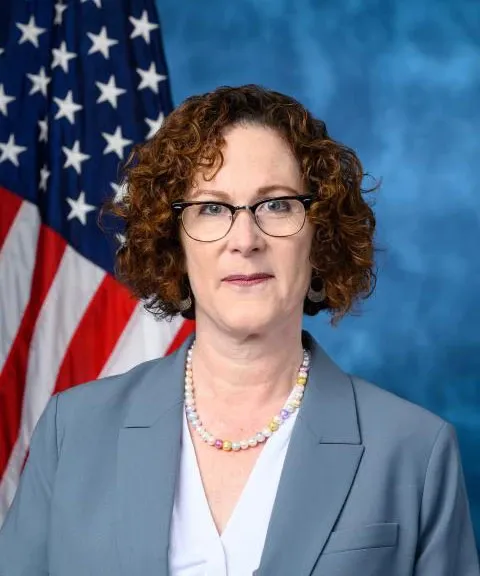
On the recordMay 24, 2016
last month the Department of Labor laid out new safeguards that will help middle-class savers in a rule pertaining to advice given by financial advisers. Today the Senate has taken up a resolution of disapproval that will undo that progress. I urge my colleagues to oppose it. The Senate ought to be doing everything it can to help middle-class workers save for retirement. Instead, this resolution would go in the opposite direction. Workers from Oregon and across the Nation are facing a savings crisis. Fewer and fewer people have access to the type of simple, reliable pensions that were once commonplace. The ``Leave it to Beaver'' ideal of getting a family-wage job, working your way up in a company, and retiring with a pension and a gold watch is not the prospect in front of many American workers today. For most Americans, the road to retirement now takes many more twists and turns. The burden of figuring out how to save, which seems to get tougher all the time, often falls directly on the workers themselves. First come the tough questions, and they come right up front: when to start saving, how much to set aside, when to retire, and how much to draw down each month. What happens if you outlive your savings? You have to study the markets, stocks and bonds, mutual funds, exchange- traded funds, index funds. You have to decide what kind of risks you can afford to take on.…