I became absolutely determined to get this fixed, and it was a result of a series of cases in what I saw as a growing problem in intelligence collection. But so that people understand, in 1978 the Congress passed a law that governed intelligence collection here in the United States, and it was in response to a bunch of abuses that happened in the 1950s and the 1960s. Someone gave me a copy of a declassified memorandum signed by Robert Kennedy and J. Edgar Hoover authorizing the wiretapping of Martin Luther King. Intelligence agencies were involved in abuses and violating the civil liberties of Americans in the 1950s and 1960s, and this law in 1978 set up a special court called the Foreign Intelligence Surveillance Court. They meet in secret session. But in order to listen and to do a wiretap for the collection of foreign intelligence in the United States, you need to get a warrant from this court. The problem is that the law was written specific to the technology of the time.
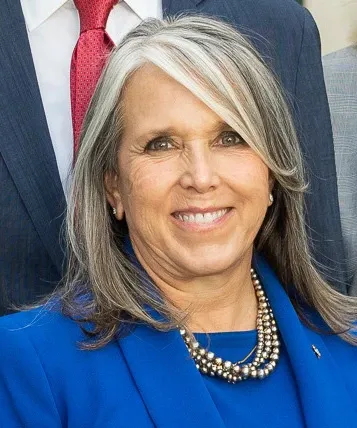
Representative Heather Wilson: “I became absolutely determined to get this fixed, and it was a result of a series of cases in what I saw as a growing…”
Editor's note · Context
Discussing the need to update intelligence collection laws established in 1978.
Share
More from Representative Heather Wilson
I think there are two points that haven't been made tonight that I do think are worth making concerning the Protect America Act, which we hope to make permanent in the bill that's come over here from the Senate to fix the Foreign…
I think we are denying democracy its voice by not allowing the Members who represent the American people the opportunity to vote on the Protect America Act and to make that act permanent. This statute was never intended to apply to…
It was actually a situation like that which caused me to say enough is enough, we have to get this fixed. It was last May, and at the time we couldn't talk about it, but it's been talked about publicly since then. We had soldiers who were…
I thank my colleague. In fact, one of the reasons that attorney generals and the Fraternal Order of Police are so strongly in support of this legislation is that they worry that what's happening to our telecommunication companies because…