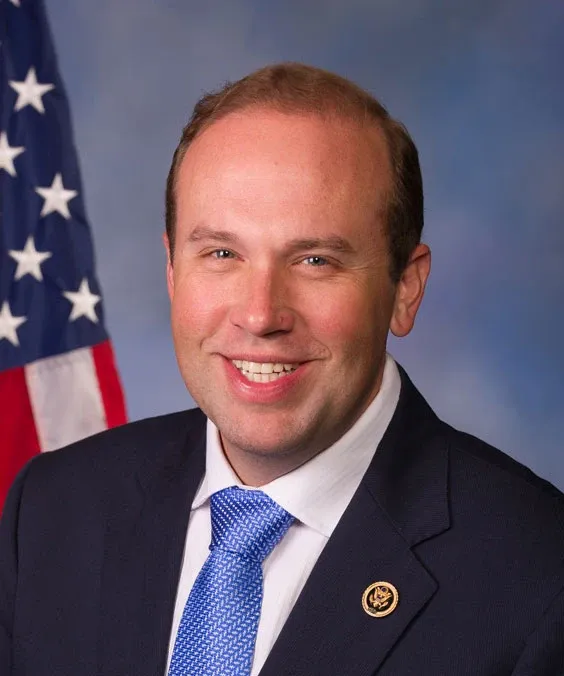
I don't think we want to say that we should never study the history of things. It is the perspective of this gentleman that we should not study history. And particularly, when you look at bison, I am not an expert in this, but to pretend to be so would be a mistake. To pretend to be so on your side or on my side would be a mistake. The authors of this study have contended that biologists and social scientists have tried to look at how humans make decisions to maximize and minimize risks in different environmental conditions. As you face different food supply systems, how do you deal with that? And that is part of the point here. How did people who live on the plains look at where they were going to harvest bison?
Jim Baird: “I don't think we want to say that we should never study the history of things. It is the perspective of this gentleman…”
Editor's note · Context
Discussing the importance of studying history and decision-making related to bison harvesting.
Share
More from Jim Baird
I rise to honor Dr. Philip Low, a remarkable scientist and teacher from Purdue University, who worked on breakthrough studies in drug discovery and cancer research. Dr. Low recently passed away at the age of 78. In his career, he served as…
I thank Congresswoman Houlahan for her dedication to improving STEM education and for being a great partner to work with on advancing this bill. Mr. Speaker, the Mathematical and Statistical Modeling Education Act provides a much-needed…
I rise today to highlight how the One Big Beautiful Bill Act will strengthen and protect Medicaid for those who need it the most. This legislation focuses on eliminating waste, fraud, and abuse that have historically plagued this system…
I rise to congratulate Megan Johnson, a fourth grade teacher at Central Elementary School in Plainfield, Indiana, who was named the 2026 Indiana Teacher of the Year by the Indiana Department of Education. Megan Johnson has over 18 years of…