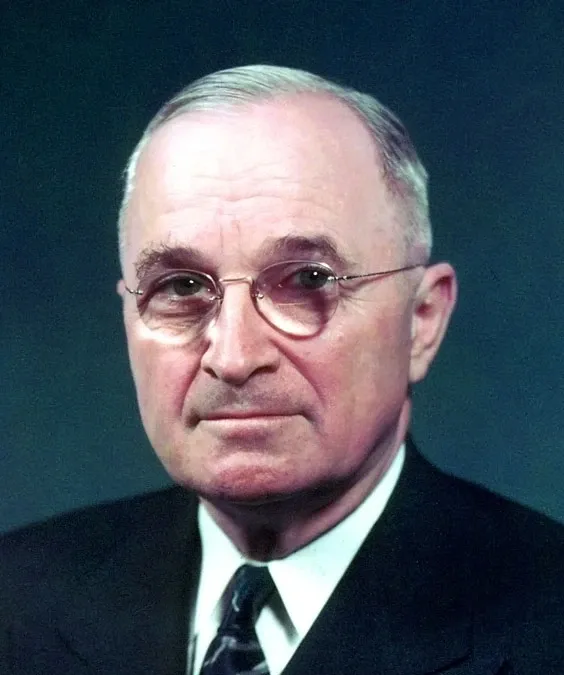
He, that loses five shillings, not only loses that sum, but all the advantage that might be made by turning it in dealing, which, by the time that a young man becomes old, will amount to a considerable sum of money.
Benjamin Franklin: “He, that loses five shillings, not only loses that sum, but all the advantage that might be made by turning it in…”
Editor's note · Context
Franklin explains that losing money also means losing potential future earnings, stressing the importance of wise financial decisions.
Share
More from Benjamin Franklin
But it seems not of so much importance, whether the fighting be done by John or Thomas, or the tax paid by William or Charles.
But let us take a cool view of the general state of our affairs, and perhaps the prospect will appear less gloomy than has been imagined.
And as Canada is chiefly supported by that trade, if it could be drawn into the hands of the English (as it might be if the Indians were supplied on moderate terms, and by honest traders appointed by and acting for the public) that alone…
We are restrained in our trade with foreign nations; and where we could be supplied with any manufacture cheaper from them, but must buy the same dearer from Britain, the difference of price is a clear tax to Britain.