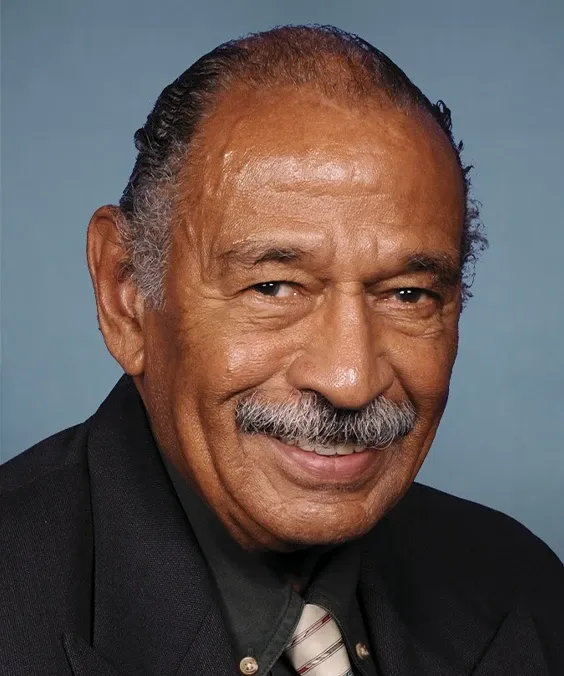
On the recordFebruary 1, 1996
today we will vote on a historic bill. This telecommunications bill is historic because it finally will bring to an end the era of telephone and cable television monopolies. The bill is historic because it will trigger technological innovation as we have never seen before--stimulating economic growth and job creation by small and large businesses alike. But just as striking as these developments undoubtedly will be, the bill is historic for another important reason. It demonstrates that Congress can work together in a bipartisan way to produce a bill that serves the interests of all Americans. I congratulate my friends, Chairmen Bliley and Fields, Representative Markey and others, for their unrelenting pursuit of bipartisan agreement on this bill. This is the way Congress is supposed to work, and I think we can all learn from this example. Chairman Bliley approached this task in a very productive way, soliciting advice and offering compromise at many points along the way. He managed the process extremely well, as evidenced by the widespread support that he has mustered--not only in the conference and in the House--but in every part of an industry that usually can agree on little else.
Source
govinfo.gov