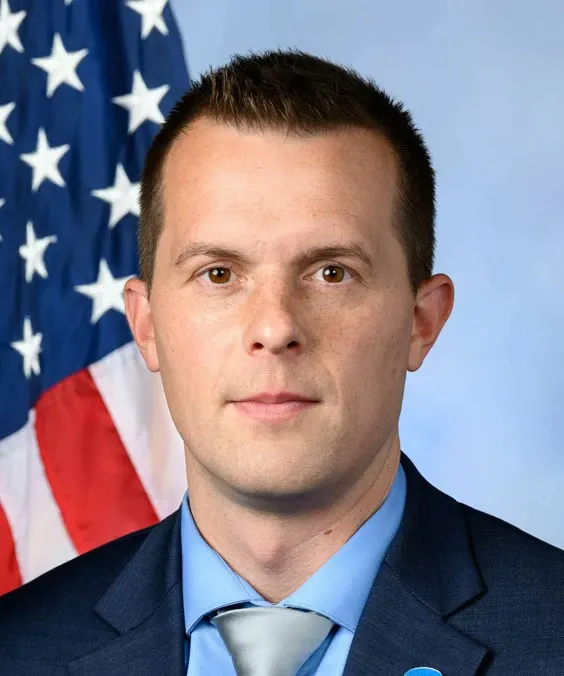
On the recordJune 4, 1998
the gentleman's amendment is going to make some technical changes that are going to make an objectionable bill a little bit better. It is going to delete provisions saying that governments cannot deny equal access to benefits on the basis of religion. But still, in the underlying bill, as it was in 1960 for President Kennedy, as it is for us today and for the Founding Fathers when this country was established, there has been a belief in a separation of the church and State which is absolute. This amendment is in search of a problem. It is based on the false premise that the Constitution merely prohibits the establishment of a national religion. In fact, the first Congress considered and rejected earlier drafts of the First Amendment that would have simply prohibited a national religion. So this amendment would effectively permit the government to sponsor religious expression. The Bishop amendment is going to go to make these technical changes, but the underlying amendment to the Constitution that is being proposed is an amendment that would effectively permit the government to sponsor religious expression. Whose prayer will be used? If prayers are read over the intercom, where do students go who object to prayer going on during that time? Would the government be required to financially support religions, and which ones? The fact remains that religion has not been shut out of the public square or public school.
Source
govinfo.gov