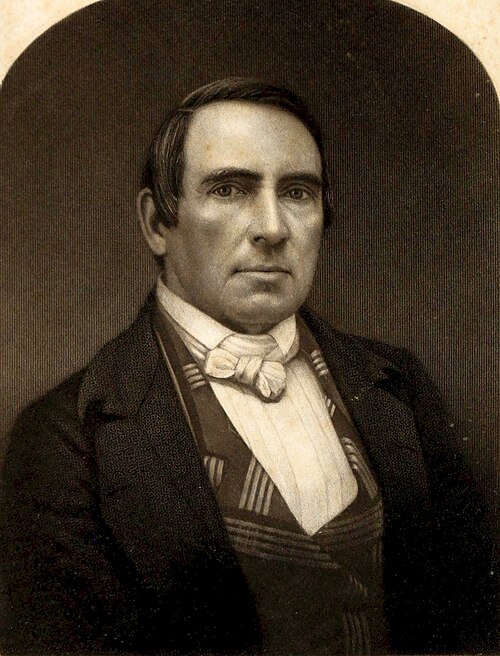
The demand for food created by the Southern army caused a majority of the plantations to raise corn, and the cotton crop of 1862 did not amount to more than one million bales, very little of which found a foreign market; and the supply and exportation diminished from this time onward.
Editor's note · Context
Blaine describes the shift in agricultural production in the South due to the demands of the war.
Share
More from James Blaine
The deep-seated prejudice against color is assiduously cultivated by the public journals and leads to acts of cruelty, oppression, and murder, which the local authorities are at no pains to prevent or punish.
In my judgment our sole authority for the acts which we have done during the last four years was the authority communicated to Congress by the Constitution to suppress insurrection.
The Northern people shrank from the responsibility of transferring the government of States to the control of men who had already shown themselves capable of desperate deeds.
Of course the Rebellion will never be suppressed in Louisiana if the professed Union men there will neither help to do it nor permit the Government to do it without their help. . . .