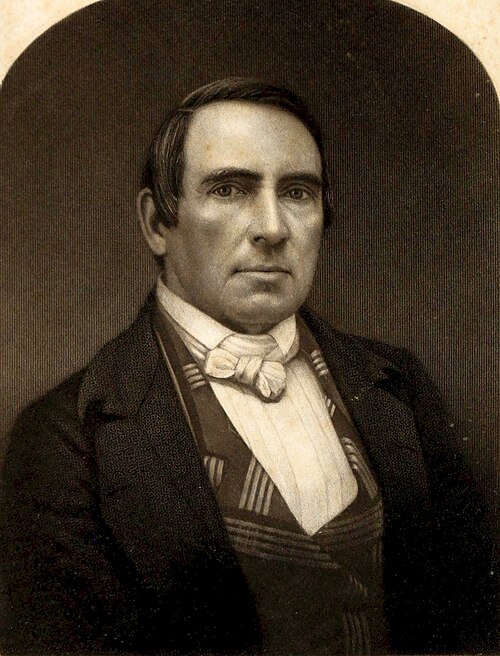
The original provision in the Constitution by which three-fifths of the slaves were enumerated in the basis of representation, agreed to originally as a compromise in connection with the subject of direct taxation, had lost its relevancy by reason of emancipation as decreed in the Thirteenth Amendment.
Editor's note · Context
Blaine explains that the original constitutional provision for counting slaves in representation became irrelevant after emancipation.
Share
More from James Blaine
These divergent practices had been allowed to develop for seventy-seven years of the nation's life, when, admonished by the Stockton case of the latitudinary results to which loose methods might lead, Congress took jurisdiction of the…
The Northern people shrank from the responsibility of transferring the government of States to the control of men who had already shown themselves capable of desperate deeds.
In Congressional districts where the colored race constituted one-half of the total population (and in many instances the proportion was even larger), the vote of one white man offset the vote of two in a Northern district where suffrage…
Their convention did more to popularize the Fourteenth Amendment as a political issue than any other instrumentality of the year.