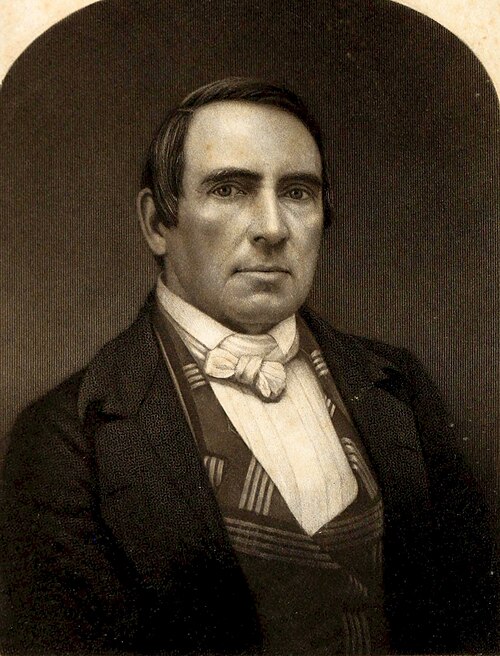
But the truth remains, nevertheless, that in the Southern States in which no test-oaths were applied disturbance, disorder, and resistance to law were as frequent and flagrant as in those where suffrage had in some degree been qualified and restricted.
James Blaine: “But the truth remains, nevertheless, that in the Southern States in which no test-oaths were applied disturbance…”
Editor's note · Context
Blaine argues that disturbances in Southern states occurred regardless of suffrage qualifications, challenging assumptions about order and law.
Share
More from James Blaine
The right of the General Government to preserve itself in its whole constitutional vigor by repelling a direct and positive aggression upon its property or its officers cannot be denied.
But this is a totally different thing from an offensive war to punish the people for the political misdeeds of their State Government, or to enforce an acknowledgment that the Government of the United States is supreme.
Under such circumstances, to send a military force into any State, with orders to act against the people, would be simply making war upon them.
Is any portion of the people bound to contribute their money or their blood to carry on a contest like that?