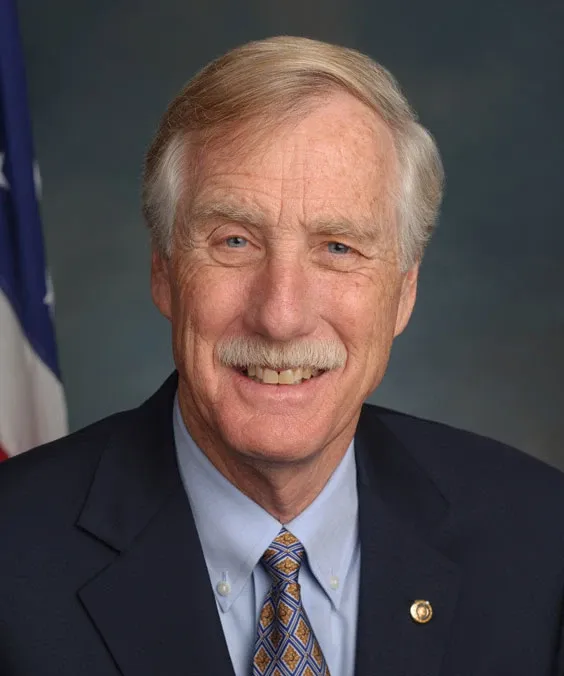
The amendment sets forth a series of steps that will occur. It does not contemplate stopping at any particular one point because, in fact, were we successful to get collective action to lift the arms embargo, the further actions would be rendered unnecessary. So it is a sequence of events. If the first one does not succeed, we first get our allies and then we go to the United Nations.
George Mitchell: “The amendment sets forth a series of steps that will occur. It does not contemplate stopping at any particular one point…”
Editor's note · Context
Discussing an amendment related to lifting the arms embargo.
Share
More from George Mitchell
I think we do have an obligation to do that because the United States is the indispensable party to any possible resolution on the Israeli-Palestinian conflict.
It is feasible. We tried that. I tried very hard in behalf of President Obama to get the Arab states to take steps in the direction of normalization, based on the Arab peace initiative, proposed initially by King Abdullah of Saudi Arabia.
I think he's confronted with the realities now. You can say anything you want on the campaign trail. You can promise anything you want. But when you confront the hard realities, when you're in office, when you get information that makes it…
Mr. Chairman, I think it ought to be clear that what we are doing here is establishing one rule for every American business, every American interest except oil and gas, and then a special rule for those in the oil and gas business.