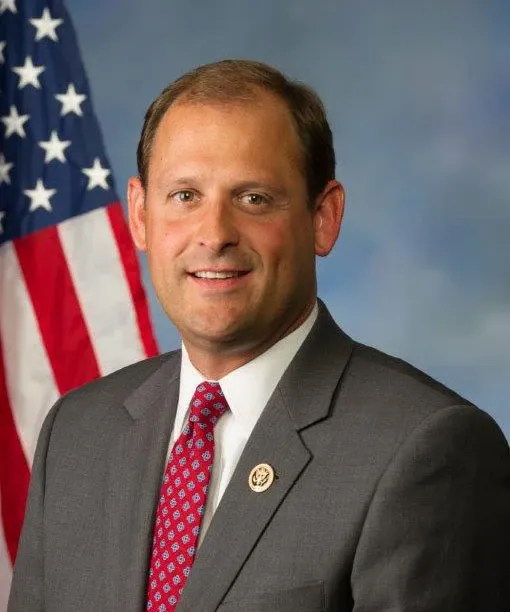
On the recordFebruary 27, 2013
The costs of regulatory changes are ultimately born by consumers who are struggling to fill their gas tanks and pay their bills.
Source
congress.govThe costs of regulatory changes are ultimately born by consumers who are struggling to fill their gas tanks and pay their bills.
Whitfield highlights the financial burden of regulatory changes on consumers.
Share
More from Ed Whitfield
Despite the stay of the Clean Power Plan, last week EPA published a 44-page proposed rule setting forth the details for Clean Energy Incentive Program.
Amen. I was just in China and we saw their reports in the local press. They're building new power plants they know they don't need. They just want the jobs, more coal emissions. So, again, it's a global challenge. It's not just America's…
If that happens and if you're still at the EPA I want you to go to Fairfield, Texas with Congressman Bill Flores and explain to those people who've lost their jobs how you've improved their environment.
Other voices in this conversation