On the recordJuly 25, 2013
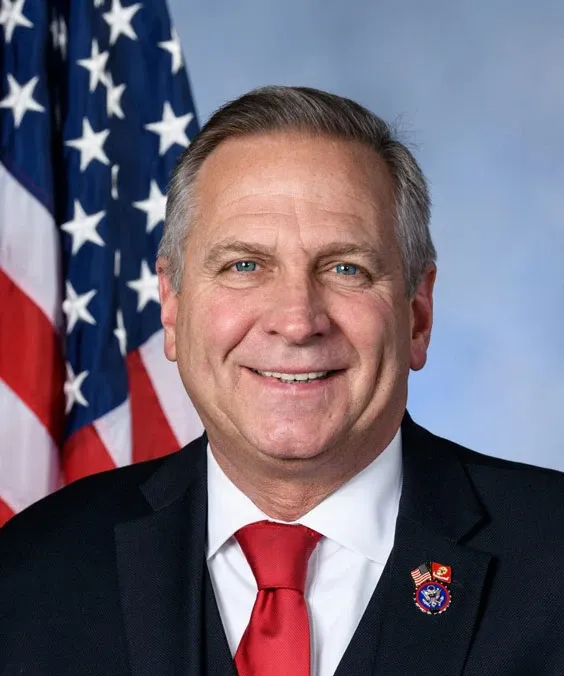
I would ask my colleague to look at the 11 additional changes that have been made in this bill versus the last bill and realize how much we have moved in the direction that he speaks of. I now yield 7 minutes to the author of the legislation from West Virginia (Mr. McKinley). Mr. McKINLEY. Mr. Chairman, I rise today in support of H.R. 2218. For 33 years, Congress has wrestled unproductively with how to deal with coal ash, an unavoidable byproduct of burning coal. {time} 0930 After countless hearings, meetings, and amendments, we come here today with a solution. Over the past 2\1/2\ years, we've listened to environmental organizations, industry, Senators, the States, the EPA. Now the bill has strong bipartisan support with Democrat cosponsors and a broad coalition of over 300 organizations and businesses, including State environmental officials, Governors, recyclers, manufacturers, coal miners, coal operators, and labor unions, just to name a few. If we don't act decisively, Congress will once again kick the can down the road. That would mean the status quo continues. At the Energy and Commerce subcommittee hearing on the draft legislation earlier this year, EPA Assistant Administrator Mathy Stanislaus testified that States have the ability to ensure proper management disposal of coal ash under this legislation. At that hearing, my good friend from Illinois, Mr. Shimkus, asked Mr. Stanislaus if the EPA was not opposed to this language in the bill.…