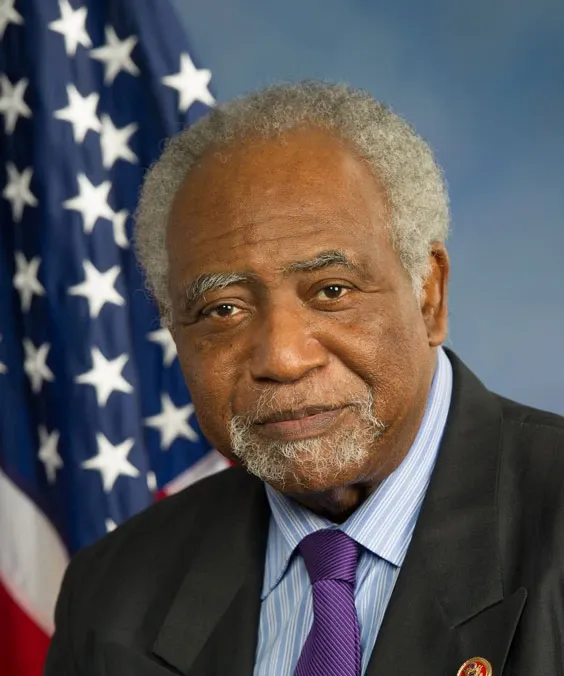
On the recordApril 19, 1994
I rise today to commemorate the 79th anniversary of the Armenian genocide. A systematic and deliberate campaign of genocide between 1915 and 1923 resulted in the deaths of over 1.5 million Armenians and the exile of a nation from its historic homeland. On April 24, 1915, the day the 1915 genocide began, over 200 intellectual, religious and political leaders of the Armenian community in Istanbul were arrested, exiled from that city, and executed. This date now symbolizes not only the beginning of the Armenian genocide, but also a tragic history of persecution for the Armenian people. Numerous Armenian citizens, who now reside in my Congressional District in Southwestern Illinois, have contacted me about the anguish they feel about the events of the past and of the present situation in Armenia. Because they have not forgotten the fate of their Armenian ancestors, I firmly believe the Congress should also remember their past. The Congress holds a remembrance ceremony for the victims of the Armenian genocide every April. It is imperative that we, as a Nation, voice our commitment to Armenia by remembering the tragic crimes against the Armenian people. To deny the experiences of millions of people cannot be tolerated. The Congress must stand firm in its resolve to oppose violence and repression against humanity. These crimes must be recognized and remembered to prevent their future occurrence.
Source
govinfo.gov