Some of our colleagues defend the sugar subsidy as a no-net-cost program. If that was ever true, it is not true today. The sugar program costs plenty. It costs tax dollars. Last year the Department of Agriculture spent $465 million on sugar subsidies. It costs consumers. The General Accounting Office, a congressional agency, estimates that the people who consume and use sugar, which is all of us, pay an additional $1.9 billion a year because the Federal sugar subsidy keeps prices higher than they would be in a free market. And the sugar program costs industry. Companies in my community, in my neighborhood, and other places throughout the country are moving away because the price is too high. That is unfair. It is unfair to consumers, it is unfair to workers, and it is unfair to America.
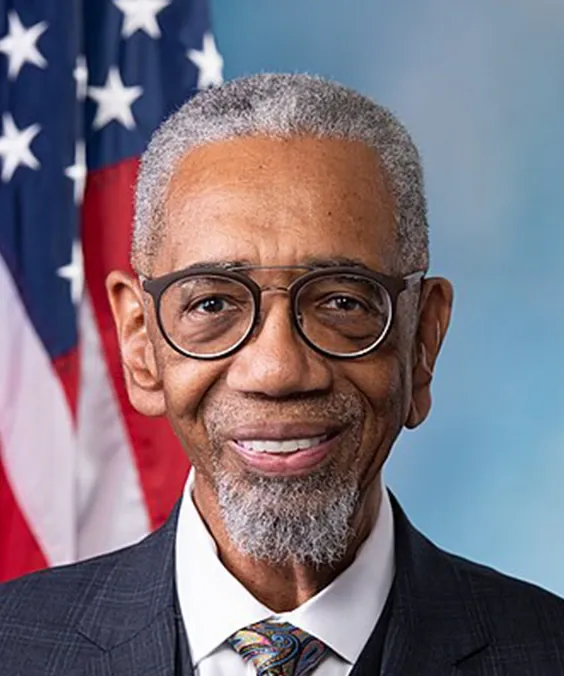
Danny Davis: “Some of our colleagues defend the sugar subsidy as a no-net-cost program. If that was ever true, it is not true today.…”
Editor's note · Context
Addressing the economic impact of sugar subsidies during a debate on agricultural policy.
Share
More from Danny Davis
Considering the significant health challenges that sickle cell disease creates for individuals and families across the United States and around the world, we must invest greater resources in improving awareness, expanding access to…
The Social Security Administration’s statements about customer service do not always appear to reflect the reality Americans experience.
Predominantly Black Institutions and other Minority Serving Institutions open the doors of higher education to low-income students and students of color whom historically have had more limited educational opportunities.
"Congress categorically rejected the Trump Administration’s effort to eliminate funding for MSIs by continuing to fund - and even increasing - grants for these institutions in FY26," said Representative Davis.