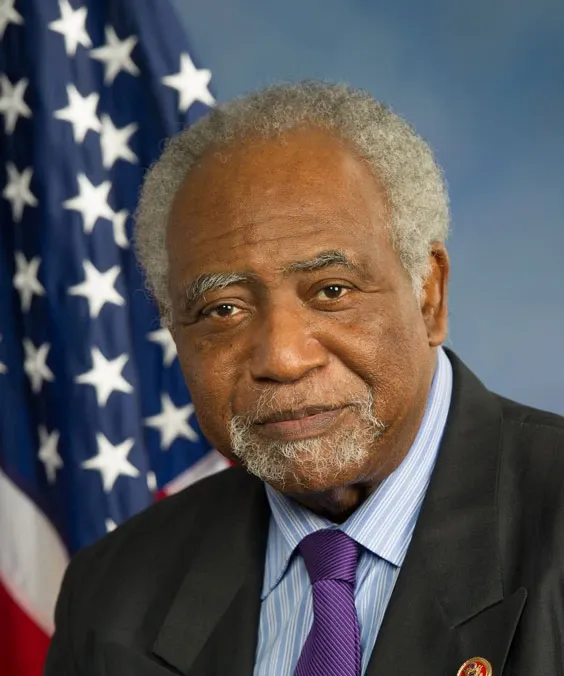
We have moved from the era of confrontation with the former Soviet Union to what I would call the era of engagement, and the engagement needs to be pursued in a number of areas. A couple of areas that are very important to this Member, and I know a lot of others, is the idea of disposal of weapons-grade materials, making sure that all of the ideas of stockpile security that we adhere to are adhered to also in the former Soviet Union. Also, the idea of making sure that the genius of the scientists' population in the former Soviet Union that put together that massive weapons complex in the weapons that they produced, to make sure that that genius does not migrate to nations that at some point may be adversaries to the United States is of utmost concern to us, and I think that this amendment makes good sense, and the engagement that it promotes is going to serve those ends.
Editor's note · Context
Discussing U.S. engagement with the former Soviet Union regarding weapons security.
Share
More from Andrew P. Hunter
once again, these Status of Forces Agreements, which are pretty run of the mill, do not manifest security commitments by the United States to protect the countries that they are made with. They talk about the treatment and describe the…
I want to let all of my colleagues know that, as most of them already do, that tomorrow is the United States Open, the great U.S. Open, the great tradition in golf competition. And it is going to be held at Torrey Pines in San Diego. I…
Once again, the gentlelady talked about a strategic framework agreement. That does manifest security commitments, and that does have to be ratified. But that is not the Status of Forces Agreement. The Status of Forces Agreement is simply…
I think the key is deterrence, because I think the truth is, whether it is the scenario that we looked at, the scenarios war games there, there is no certainty of victory if the Russians make a serious move against the Baltics, at least in…