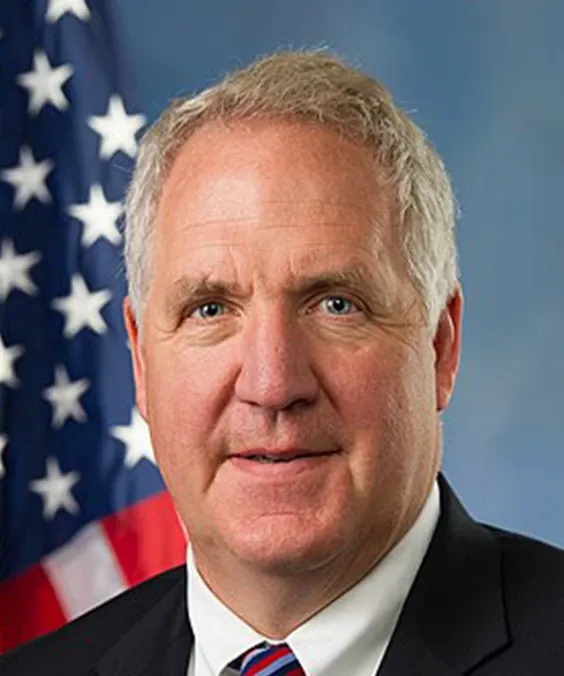
Mr. Speaker, to conclude this debate, we are saying to the men and women of the Armed Services, to the men and women of the Ballistic Missile Defense Organization, and all those folks in big and small businesses, the 35,000 people that made this test a success, good work. It was a job well done. Now let us roll up our sleeves and go on to the next challenge.
Andrew P. Hunter: “Mr. Speaker, to conclude this debate, we are saying to the men and women of the Armed Services, to the men and women of…”
Editor's note · Context
Concluding a debate on the success of a test related to the Armed Services and Ballistic Missile Defense.
Share
More from Andrew P. Hunter
Advanced technologies such as UAVs and EW can serve as important force multipliers that improve the effectiveness of current U.S.-European force posture but are by themselves insufficient in tipping the balance.
It is my belief that, collectively, NATO is not yet at a maturity level sufficient to effectively incorporate cyber technologies that exploit critical Russian infrastructure.
I think the key is deterrence, because I think the truth is, whether it is the scenario that we looked at, the scenarios war games there, there is no certainty of victory if the Russians make a serious move against the Baltics, at least in…
But we are in a different situation now. And so we have an opportunity to come up with a strategy that is focused on meeting these new challenges, not simply trying to avoid more harm.