I think our roots, again, go back to the Magna Carta, the great charter of King John, and to the parliamentary procedures of Great Britain, of England. In 1604 the Parliament of Great Britain adopted what was then known as a motion for the previous question to bring to finality debate and to move to the merits of the proposition. That was in 1604. When our Constitution, and I pose this in a manner of a question to the Senator from West Virginia because this is another branch of the argument on the filibuster, sort of the branch that I had been arguing on is the basis that a filibuster ought to be used to slow down, temper legislation, alert the public, change minds, but should not be used as a measure whereby a small minority can totally keep the majority from voting on the merits of a bill. That is one branch. The other branch is the constitutional branch. The Senator from West Virginia said that we, at our peril, I believe, give up this right of unlimited debate.
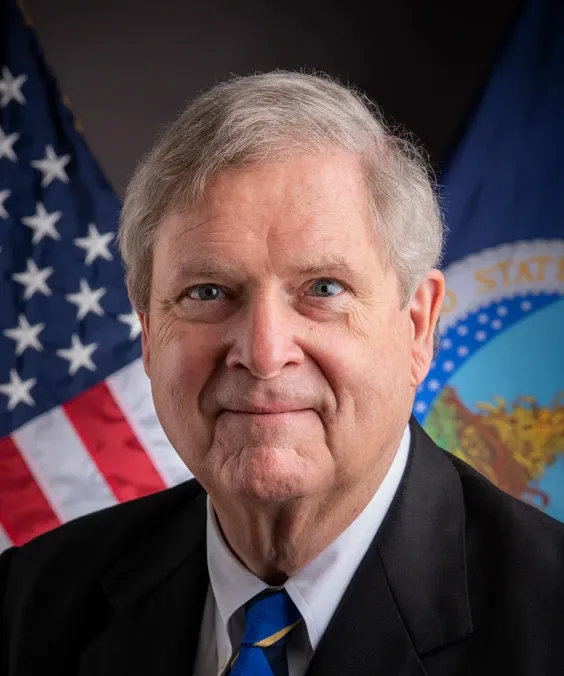
Tom Harkin: “I think our roots, again, go back to the Magna Carta, the great charter of King John, and to the parliamentary…”
Editor's note · Context
Discussing the historical context of legislative debate and the filibuster.
Share
More from Tom Harkin
I would like to personally commend Senator Feinstein for releasing this report today. We have all heard the Justice Louis Brandeis quote that ``sunlight is the best disinfectant'' but occasionally we need a real world reminder. Today…
first let me thank my friend and colleague for his lifetime characteristic which is being very gracious and very generous in his remarks. Chuck Grassley and I have served together since 1974. I like to tell people that in 1974, that was a…
as I approach the end of my Senate career, I cannot help but reflect on the role that my tremendous staff members have played in advancing my policy goals and, indeed, advancing the important work the American people over the years. I have…
If my friend will yield, I think that is absolutely true. First of all, it is true that a lot of times low-income people don't have access to a more healthy environment. The food deserts we call them in our inner cities, where they do not…