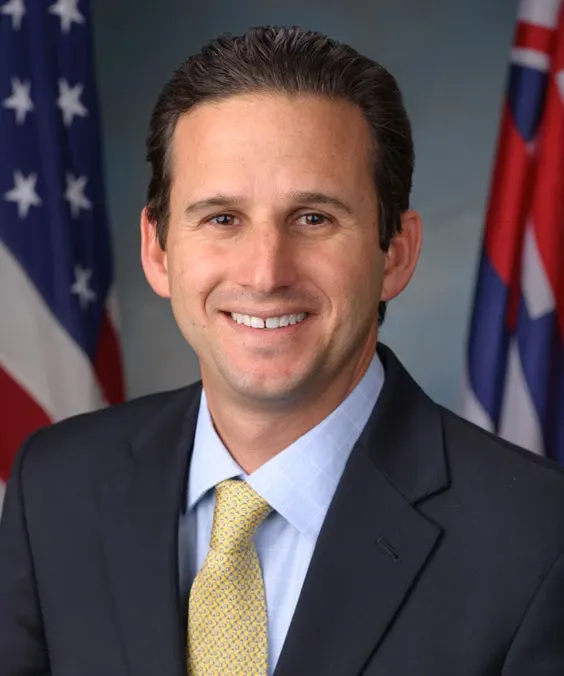
Because they were trying to establish a new doctrine for the United States of preemptive warfare. Not that citations might not have been made with regard to other military actions by the United States in previous times, perhaps up to and even including President Clinton's Presidency, but that there was to be established with this a new paradigm of preemption based on an imperial view of the world that the stamp of the United States must be placed upon the rest of the world. I would venture to further my question to the gentleman from Illinois, if President Clinton was in office today and this information was revealed today, what do you think the response of some of our colleagues might have been?
Neil Abercrombie: “Because they were trying to establish a new doctrine for the United States of preemptive warfare. Not that citations…”
Editor's note · Context
Discussing the implications of preemptive warfare doctrine in U.S. foreign policy.
Share
More from Neil Abercrombie
I think the answer from the most practical point of view is the passage of the Hawaiian Homes Act of 1921. The Congress obviously recognized that there was a distinctive entity in the category of Native Hawaiians as a logical extension of…
I can assure you that the Ethics Committee, the Parliamentarian and the Speaker of the House of Representatives have assured me that, if you can consume it on the premises, it's okay.
We regard the Pacific Ocean as not separating us in the Asian Pacific region, but connecting us in the Asian Pacific region.
This is the message of Aloha. This is the message that our diversity in this world should define us rather than divide us.