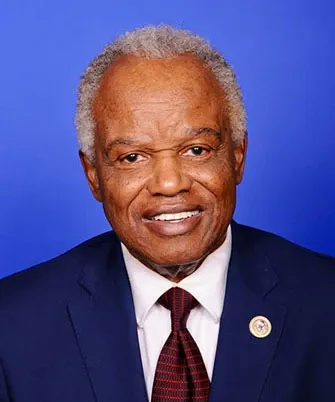
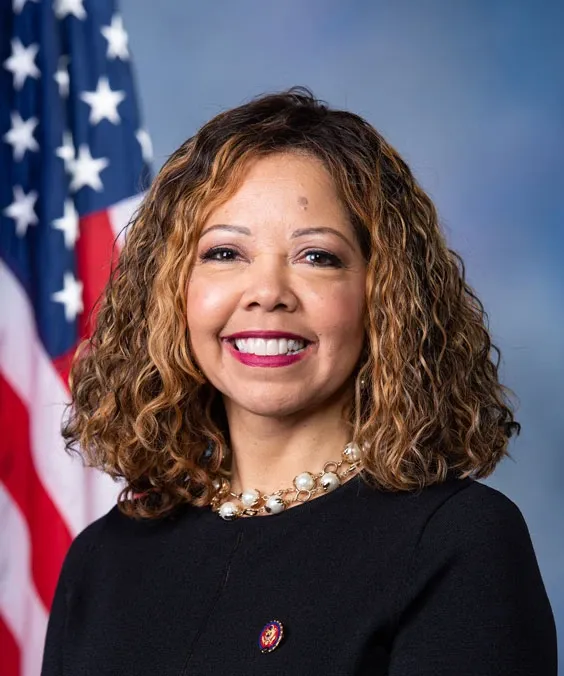
Mr. Speaker, this bill embodies a very, very important ideal, which I have long supported; namely, that the countries of sub-Saharan Africa should improve their economic lot through development and trade. This bill would begin the process of leading these countries from our traditional direct aid relationship. However, Mr. Speaker, charity begins at home. I and other bipartisan Members with legitimate concerns for the health of the already suffering textile and apparel industries that we represent feel that we have not been allowed an adequate voice in this process. For this reason, my colleagues and I proposed a bipartisan substitute that we hoped that the Committee on Rules would have ruled in order. I firmly believe that our substitute, if it were ruled in order, would result in a healthier U.S. textile and cotton industry, and sorely needed economic development and employment for the peoples of sub-Saharan Africa.
Sanford Bishop: “Mr. Speaker, this bill embodies a very, very important ideal, which I have long supported; namely, that the countries of…”
Editor's note · Context
Discussing a bill aimed at improving economic conditions in sub-Saharan Africa and concerns about the textile industry.
Share
More from Sanford Bishop
They cut SNAP by 20 percent in the big, ugly bill this summer, dismantled and defunded Federal programs, fired Federal workers, and illegally ignored court orders. This bill fails to address the healthcare crisis, and bipartisan outrage…
As dean of Georgia's congressional delegation, I would like to extend a heartfelt welcome to the Honorable Clay Fuller. Welcome, Clay. Our delegation is diverse, and we are passionate about how we best represent the great State of Georgia…
I thank the gentleman for yielding. Mr. Speaker, I rise as the sponsor of H.R. 9600, legislation to designate the United States Postal facility in Plains, Georgia, as the Jimmy and Rosalynn Carter Post Office. President Jimmy Carter and…
rural Georgians and rural Americans are older, sicker, and less likely to have health insurance than those in our cities. In fact, compared to urban areas, rural Georgians are nearly five times more likely to die early from cancer…