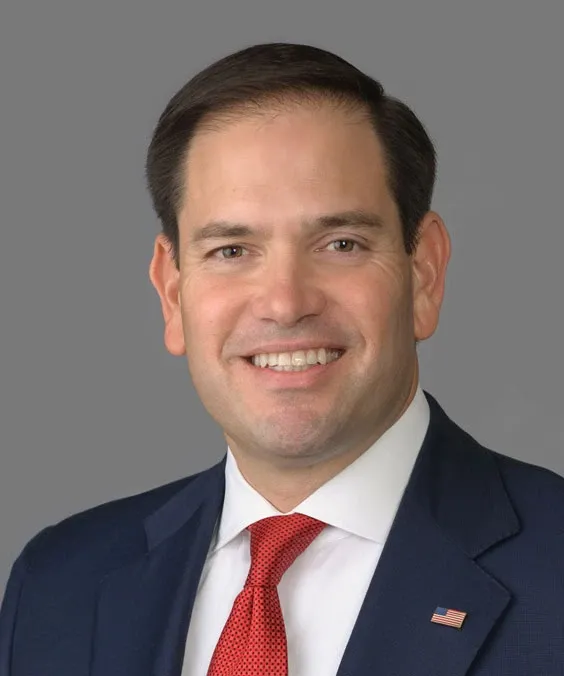
As an internist, internal medicine specialist, I did a lot of diagnostic tests. A lot of people come in the office saying I hurt here, I hurt there, I can't breathe when I walk. You do a physical examination, and you typically send people off for studies and tests. I regularly on a daily basis practiced defensive medicine. I would do my history and physical, and I would come to a conclusion as to what I thought that patient most likely had and then there was always that little voice in the back of my mind, what if you are wrong? What if you miss something? What if you get sued? What will happen to you if you get sued? Will it hurt your practice? Will you lose patients? Will you lose your house? These are the kinds of things that go through your mind. What you do is you order extra tests.
David Weldon: “As an internist, internal medicine specialist, I did a lot of diagnostic tests. A lot of people come in the office…”
Editor's note · Context
Discussing the impact of defensive medicine on healthcare practices.
Share
More from David Weldon
The gentleman's amendment increases and decreases the amount for the Department of Commerce's Departmental Management Account. There is no net effect on the funding level of the account. I have no objection to the gentleman's amendment…
This whole debate is about whether we're going to give contraceptives to Planned Parenthood, Parenthood International, aggressively trying to overturn the pro-life laws in countries all over the world. We have dramatically increased…
Several Members have risen to criticize the included Weldon language in this bill, and I want to clarify that this is the Weldon-Hyde language. This is a continuation of the Hyde policy of conscience protection. The reason I sought to…
I would be very happy to yield to the distinguished gentleman from West Virginia (Mr. Mollohan).