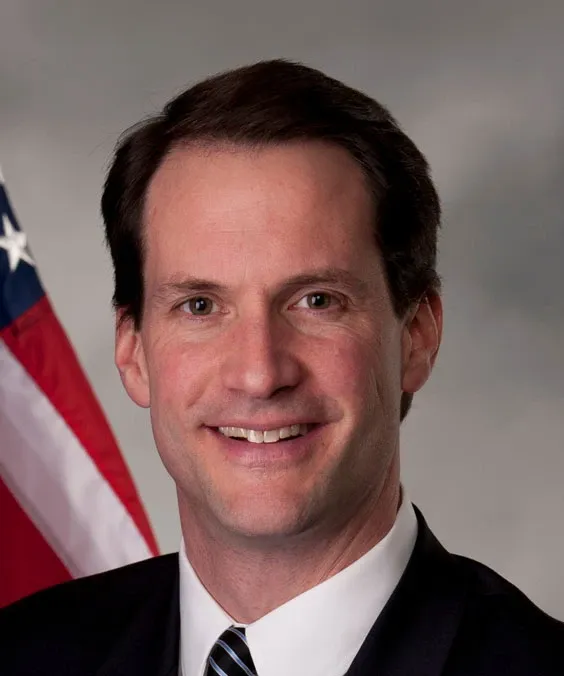
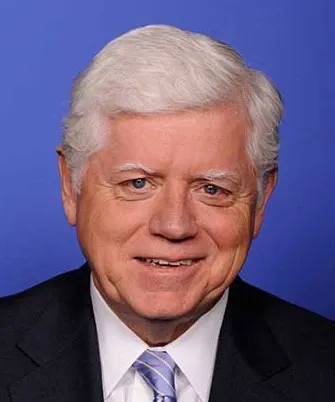
But there's no question that in terms of our own country's history, going back in time, again, even to the beginning of our government, even during the Civil War when the finances of this country were completely going from almost day to day, Abraham Lincoln did not pull back in terms of the need for us to invest in rail, land-grant colleges. Again, this was in the middle of the worst conflict in the history of this country, but yet he still saw the need for us, as a Nation, to still continue to invest in the future, and we borrowed funds. Because those types of investments, investing in people through education or investing in infrastructure comes back to benefit the economy long term, and the multiplier effect is much higher than the actual pricetag of those initial investments.
Editor's note · Context
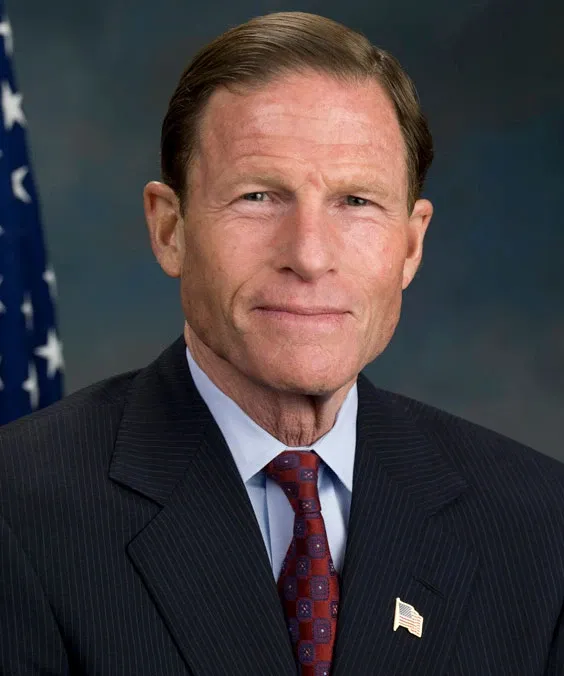
Speaker Courtney discusses the importance of investment in infrastructure and education throughout U.S. history.
Share
More from Joe Courtney
If there was any benefit in terms of having Members back home, though, it was an opportunity to go out and listen to what is on people's minds. Townhall meetings and community gatherings offer, again, Members of Congress a chance to listen…
on August 22, the Trump administration, with absolutely no warning, issued a halt work order to an offshore wind project off the coast of southern New England that has been in the works for 9 years. The developers of this project have…
On January 1, the Department of Health and Human Services announced that a $2,000 out-of-pocket cap is going to be initiated for seniors on the Medicare part D program. Fifty-three million seniors across the country use part D and because…
the Republicans' extreme 'Project 2025' policy agenda proposes to repeal this program and put billions in the pockets of big pharma.