Jun 23, 2014
The United States is the second largest market for ivory, much of which is sold here illegally.
The Public Record
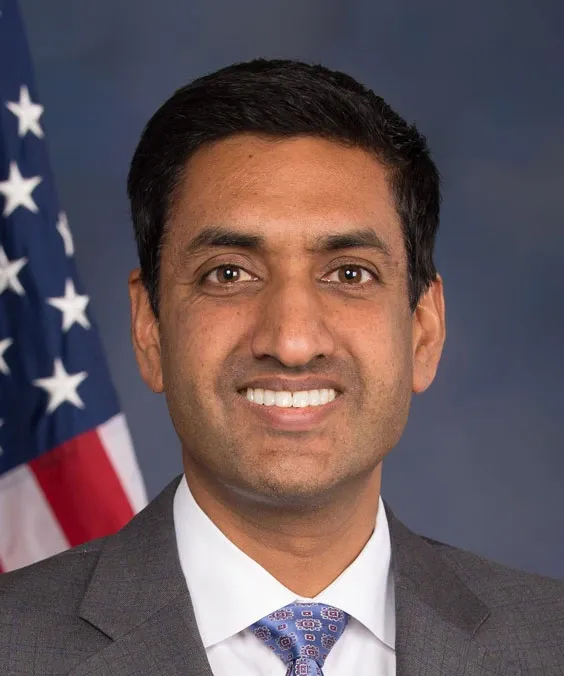
Alan S. Lowenthal is a Democratic politician from California, born on March 24, 1941. He served as a member of the U.S. House of Representatives from 2013 to 2023, representing California's 47th congressional district. During his tenure, Lowenthal focused on issues such as education, healthcare, and environmental protection, advocating for policies that support working families and promote sustainable practices. He has a background in academia and local government, having previously served in the California State Assembly and as a Long Beach city council member.
The United States is the second largest market for ivory, much of which is sold here illegally.
We crushed that ivory to send a very clear signal that the ivory was not meant to be seen as items of value.
I believe that we are the market for ivory. The United States ranks second in the world in terms of a market for ivory that is sold.
We can also attempt to send a message that commercialization of wildlife that leads to its extinction is not acceptable.
They are killing elephants because they see them as sources of money, and if we can take the money out of the equation, they will stop killing elephants.
There is a real problem in Japan. Forty percent of the world's ivory is being consumed in Japan for the hanko, their signature stamp.
You should look on the market demand side. You should see who is making the money, follow the money, chase the money.
It seems to me that what we all have in agreement and the core fundamental issue is that we are here to talk about the sustainability of the population of elephants, especially African elephants.
With all due respect, I think this bill clarifies, it doesn't further confuse.
Politicians like Alan Lowenthal