Apr 3, 2019
Mr. Chair, my amendment to the Violence Against Women Act shines a light on a crisis that has been ignored for too long by this body: the crisis of missing and murdered indigenous women. In Indian Country, American Indians and Alaska…
The Public Record
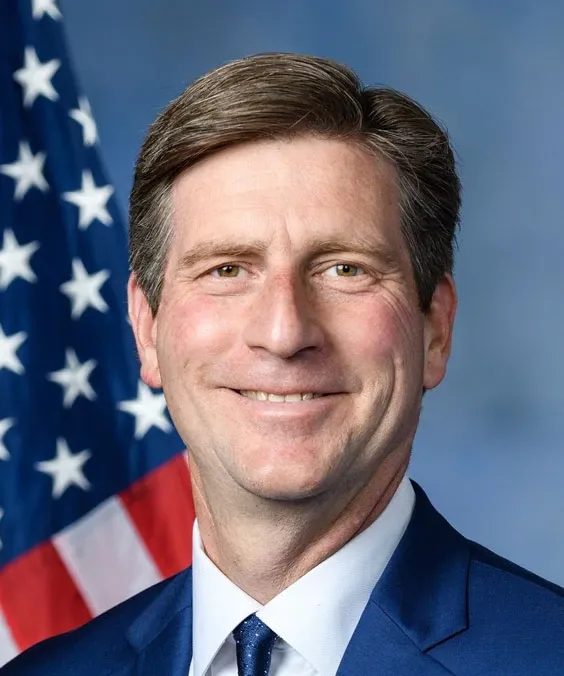
Rubén Gallego is a Democratic member of the U.S. House of Representatives, representing Arizona's 7th congressional district since January 6, 2015. Born on November 20, 1979, he has focused on issues such as veterans' affairs, immigration reform, and education during his time in office. Gallego, a former Marine, has been an advocate for military families and has worked to improve access to healthcare for veterans. He has also been involved in efforts to address gun violence and climate change.
Mr. Chair, my amendment to the Violence Against Women Act shines a light on a crisis that has been ignored for too long by this body: the crisis of missing and murdered indigenous women. In Indian Country, American Indians and Alaska…
Mr. Chair, I have an amendment at the desk. The Acting CHAIR. The Clerk will designate the amendment. The text of the amendment is as follows: Page 136, insert after line 9 the following (and amend the table of contents accordingly): SEC…
H.R. 375, sponsored by Representative Tom Cole, would amend the Indian Reorganization Act of 1934 to give the Secretary of the Interior the power to take land into trust for all tribes regardless of the date of the tribe's recognition.
A legislative fix is necessary to ensure that we are fulfilling one of our country's most important obligations to Indigenous communities.
The establishment of the Mashpee Wampanoag Tribe's reservation has brought the promise of significant economic development.
Consultation requirements should be clear and should have the force of the law.
Enacting H.R. 375 would restore clarity and stability for all federally recognized tribes, regardless of their date of recognition.
the Mashpee Wampanoag Tribe Reservation Reaffirmation Act reaffirms the trust status of the lands of the Mashpee Wampanoag Tribe in Massachusetts.
I want to thank the sponsor of this legislation, the gentleman from Massachusetts, Mr. Keating, for being here to testify.
The acquisition of trust land for the benefit of Indian tribes is essential to tribal self-determination, economic development, and the protection of tribal lands for generations to come.
I think it is a particularly sad statement that 400 years later they still have to defend against the attack on their lands.
Politicians like Rubén Gallego