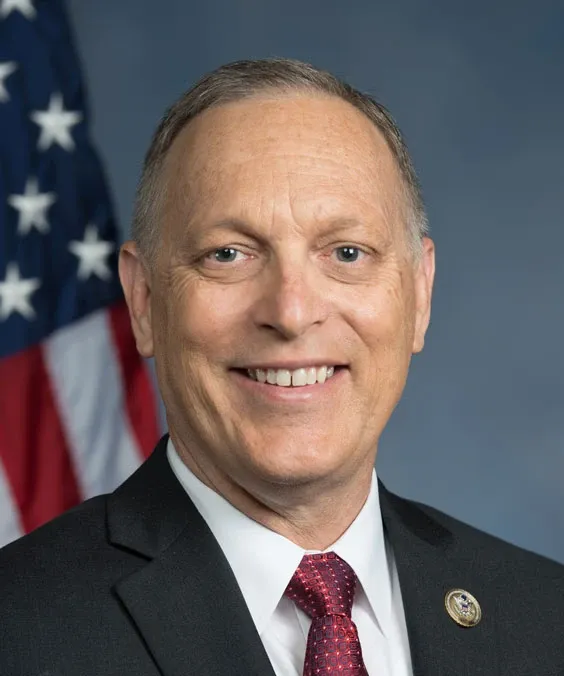
On the recordJuly 30, 1996
H.R. 3118, the Veterans' Health Care Eligibility Reform Act of 1996, is hopefully the first step toward overhauling the confusing eligibility requirements currently confronting our veterans. This bipartisan legislation will move the VA away from its expensive focus on inpatient care to a more accessible and cost effective primary and outpatient means of delivering health care. Eligibility reform has been the top priority of the Committee on Veterans' Affairs in the 104th Congress. We have worked very hard to make this bill as budget neutral as possible. The VA committee, as well as the Department of Veterans Affairs, believes the bill can be implemented without the need for additional funds. However, the Congressional Budget Office disagrees and estimates that if fully funded, H.R. 3118 would result in increased demand for VA health care. In order to further address CBO estimates and assure members of the Committee on Veterans' Affairs budget-neutral intent, we are adding provisions that will place a ceiling on authorized levels for VA health care for fiscal years 1997 and 1998.
Source
govinfo.gov