Mar 19, 2012
I don't think this subcommittee, this Committee, or Congress is the appropriate place to litigate a memorial design or a potential family dispute.
The Public Record
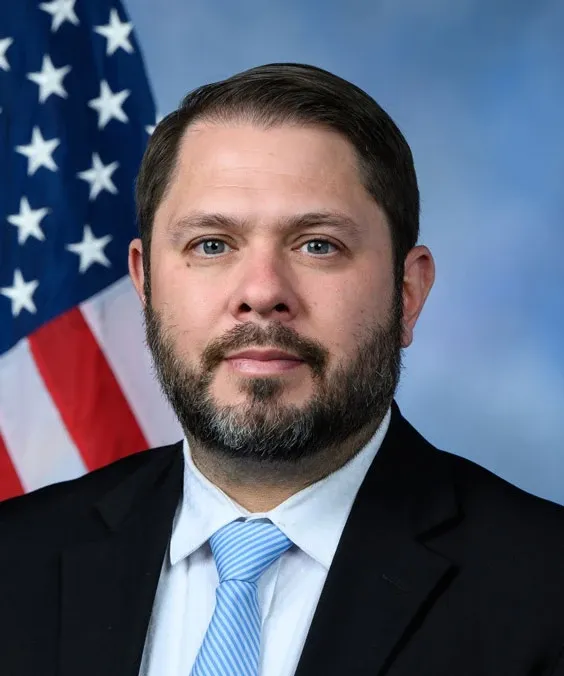
Raúl Manuel Grijalva is an American politician serving as the U.S. Representative for Arizona's 3rd congressional district since 2003. A member of the Democratic Party, Grijalva has been an advocate for environmental protection, education, and healthcare reform throughout his tenure in Congress. He has played a significant role in various legislative initiatives, particularly those aimed at addressing climate change and promoting social justice.
I don't think this subcommittee, this Committee, or Congress is the appropriate place to litigate a memorial design or a potential family dispute.
To say that the Eisenhower family had gone along with every aspect of this process would not be correct, and we found it important to correct the record.
However, I do not think this subcommittee, the full Committee, or Congress is the appropriate place to litigate a memorial design or a potential family dispute.
In closing, the underlying legislation, H.R. 2117, stacks the deck against due process and the ability for families and students to seek redress when institutions or programs deny them or mistreat them regarding the services that they've…
I have an amendment at the desk. The Acting CHAIR. The Clerk will designate the amendment. The text of the amendment is as follows: In subparagraph (A) of section 2(a)(1) of the bill as reported-- (1) strike ``Sections 600.4(a)(3)…
I demand a recorded vote. The Acting CHAIR. Pursuant to clause 6 of rule XVIII, further proceedings on the amendment offered by the gentleman from Arizona will be postponed. Amendment No. 2 Offered by Ms. Foxx The Acting CHAIR. It is now…
The bill we are debating today, H.R. 2117, eliminates the entire State authorization rule, including the establishment of a process for States to review and appropriately act on student complaints concerning an institution. This amendment…
I want to thank Chairman Young, Ranking Member Boren, and Congressman Gosar for their leadership and vision.
I hope that you and the department vigorously defend against this attack on federal public lands in Utah.
Yes, national landscape conservation system. Last year the Majority attempted to zero out the funding for this project.
The clock is ticking, Republicans are playing games, and people are hurting. Republicans care more about their singular goal of defeating Obama in November than helping people that are hurting and helping the middle class. This latest…
Politicians like Raúl Grijalva