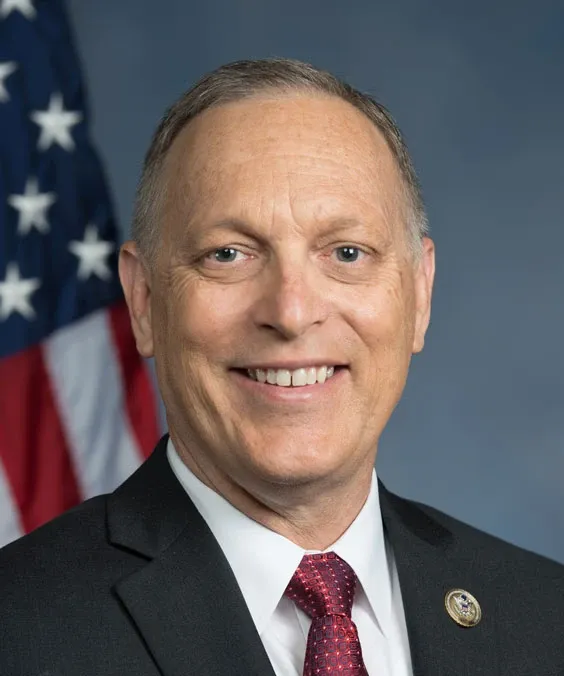
On the recordNovember 10, 2005
let's go back to the fundamentals of what actually happened and what the amendment of the Senator from South Carolina would actually do. The Congress did not create laws to deal with terrorists, primary to the beginning of the war on terrorism. Questions arose as to the executive branch's treatment of these terrorists in detention. Absent congressional direction, the U.S. Supreme Court had to interpret an existing statute, section 2241. It held that, since Congress had not expressed any intention outside of section 2241 in interpreting that section, the courts had jurisdiction to consider habeas corpus petitions regarding the status of these detainees. That is all that the Court has held. As Justice Scalia said in his dissent, ``the petitioners do not argue that the Constitution independently requires jurisdiction here.'' So let's be plain, that the Great Writ does not apply to terrorists. No one argued in the Rasul case that the Constitution required habeas corpus petitions. It was, rather, a matter of statutory interpretation. As the Justice said: Accordingly, the case turns on the words of section 2241. How did the Court in the majority opinion treat that? Considering that section 2241 draws no distinction between Americans and aliens held in Federal custody, there is little reason to think that Congress intended it not to apply . . .…
Source
govinfo.gov