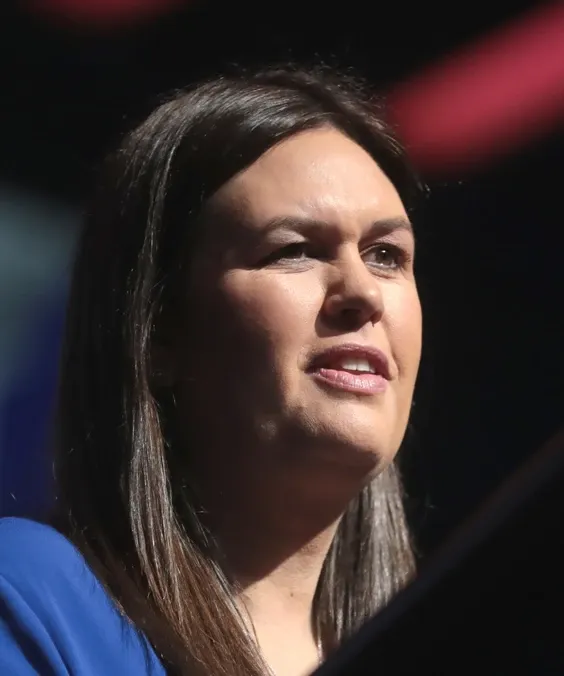
May 12, 2015
I just have a real concern that the way these rules are proposed, it is going to ultimately add to more carbon in the atmosphere.
The Public Record
Bruce Eugene Westerman is an American politician serving as the U.S. Representative for Arkansas's 4th congressional district since January 6, 2015. A member of the Republican Party, Westerman has focused on issues such as natural resources, forestry, and environmental policy during his time in office. He has been an advocate for sustainable forestry practices and has worked on legislation aimed at improving the management of public lands. Westerman has also been involved in discussions around economic development and job creation in Arkansas.
I just have a real concern that the way these rules are proposed, it is going to ultimately add to more carbon in the atmosphere.
Madam Speaker, Congressman John Paul Hammerschmidt began his service as a Member of this body from my home State of Arkansas in 1967, the year that I was born. He did so for 12 terms, long enough for me to grow up, graduate from college…
This budget incentivizes work, not dependence. This budget reduces spending growth instead of growing government. This budget moves us in the right direction. I encourage my friends on both sides of the aisle to assume responsibility by…
Thank you, Mr. Chairman, for the diligent work on the Budget Committee and the leadership you have shown there. Mr. Chairman, Americans know that this country was built on a strong work ethic. This budget provides a framework to create…
Well, if we take cost out of the equation, and just use the science of air quality, these regulations will negatively impact air quality because they will remove operations that ultimately add to the cleanness of the air.
Do EPA's health effects include the negative health effects of employment cost?
Thank you, Mr. Chairman, and I would request unanimous consent to submit a study from the Institute for Energy Research.
I am an engineer and a forester, and I disagree with you, and I can tell you that raising these standards will hurt this sector of the economy, which will, in essence, hurt the air quality overall.
What about in the case of the forest products industry, where you have a very green material that is good for the environment, yet these standards are going to hurt the industry, which will cost jobs, which will close down facilities…
Even though there are studies that show that poverty is related to indoor air pollution, which is correlated with asthma? You have totally disregarded the effect of employment, and jobs, and poverty on your cost analysis?
The ozone rule will drive up costs in the forestry and forest products industry, which will result in closed facilities, which will mean less jobs, less carbon sequestration, more poverty, and more asthma.
Politicians like Bruce Westerman