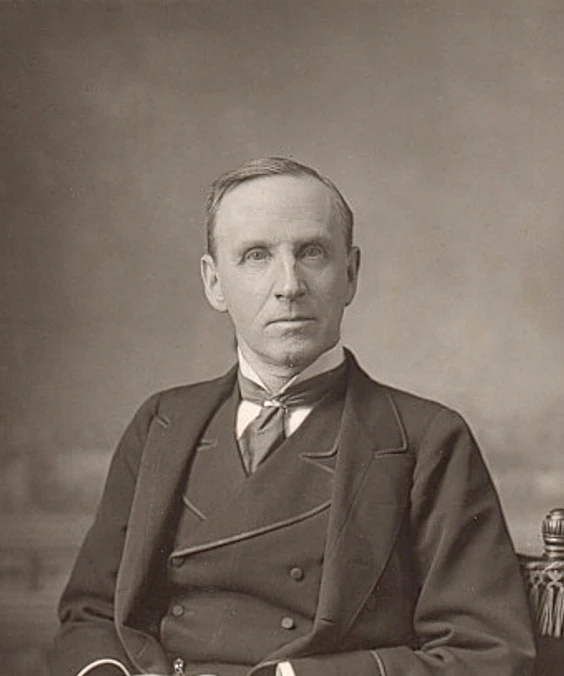
International life in this realm is much more likely to be a régime of example and influence than one of legislative compulsion simply because the penalties of national dissent would strain too gravely the structure of the authority which sought an unwise imposition of its will.
Harold J. Laski: “International life in this realm is much more likely to be a régime of example and influence than one of legislative…”
On the record
Said by
Harold J. Laski
Source
gutenberg.orgEditor's note · Context
Laski suggests that international relations are more about influence than coercion due to the risks of dissent.
Share
More from Harold J. Laski
Ultimately, that denial is always made upon the same ground: it is insisted that the doctrines or practices attacked are subversive of the civil order.
The essence of the persecuting position is always that the persecutor has hold of truth and that he would betray its service by allowing it to be questioned.
When attacks on liberty are political or economic, it is their motive rather than their nature that changes.
It has been the historic character of persecution always to degrade the persecutor and to strengthen the persecuted by drawing attention to their claims.