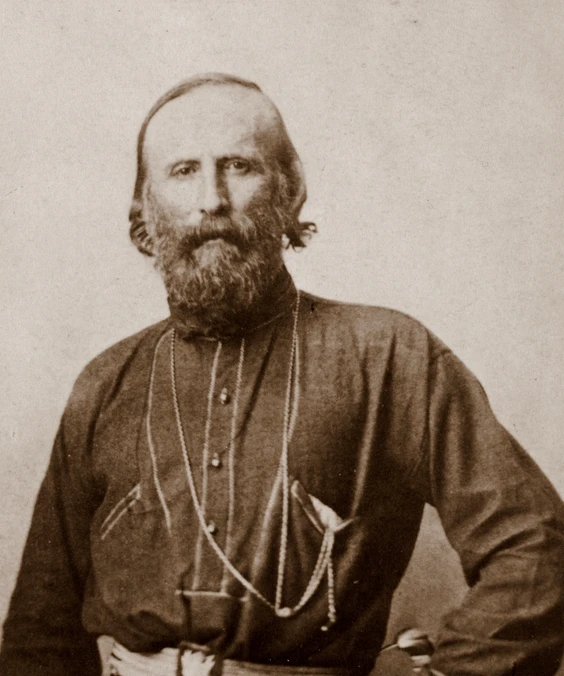
But chiefly thou shouldst think of those whom thou hast thyself known distracting themselves about idle things, neglecting to do what was in accordance with their proper constitution, and to hold firmly to this and to be content with it.
Marcus Aurelius: “But chiefly thou shouldst think of those whom thou hast thyself known distracting themselves about idle things…”
Editor's note · Context
Marcus Aurelius urges reflection on those who waste their lives on trivialities, failing to live in harmony with their true nature and find contentment.
Share
More from Marcus Aurelius
Either there is a fatal necessity and invincible order, or a kind providence, or a confusion without a purpose and without a director (iv. 27).
With respect to that which happens conformably to nature, we ought to blame neither gods, for they do nothing wrong either voluntarily or involuntarily, nor men, for they do nothing wrong except involuntarily.
Do not then consider life a thing of any value. + For look to the immensity of time behind thee, and to the time which is before thee, another boundless space.
He took a reasonable care of his body's health, not as one who was greatly attached to life, nor out of regard to personal appearance, nor yet in a careless way, but so that through his own attention he very seldom stood in need of the…