



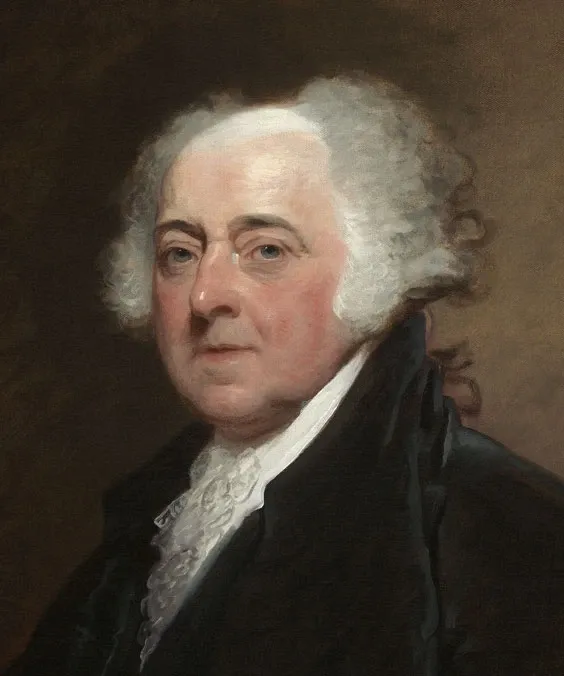
@charlesadams· Democratic Republican · MA· Mar 14, 1826
I shall, indeed, in the first instance, consider the assembly as merely consultative.
On the record
Quotes from current and former members of the U.S. House.
Current representatives
Former representatives
I shall, indeed, in the first instance, consider the assembly as merely consultative.
ThatAmericahas a set of primary interests which have none or a remote relation to Europe.
I would have sent ministers to the meeting had it been merely to give them such advice as they might have desired, even with reference to their own interests, not involving ours.
I now transmit to the House a report from the Secretary of State, with the correspondence and information requested by the resolution.
The faith of the United States to foreign powers can not otherwise be pledged.
The purpose of the meeting itself is to deliberate upon the great and common interests of several new and neighboring nations.
My first and greatest inducement was to meet in the spirit of kindness and friendship an overture made in that spirit by three sister Republics of this hemisphere.
It was not considered a conclusive reason for declining this invitation that the proposal for assembling such a Congress had not first been made by ourselves.
But objects of the highest importance, not only to the future welfare of the whole human race, but bearing directly upon the special interests of this Union, will engage the deliberations of the congress of Panama whether we are represented there or not.
To meet the temper with which this proposal was made with a cold repulse was not thought congenial to that warm interest in their welfare with which the people and Government of the Union had hitherto gone hand in hand through the whole progress of their revolution.
It may be that in the lapse of many centuries no other opportunity so favorable will be presented to the Government of the United States to subserve the benevolent purposes of Divine Providence; to dispense the promised blessings of the Redeemer of Mankind; to promote the prevalence in future ages of peace on earth and good will to man.
The acceptance of this invitation, therefore, far from conflicting with the counsel or the policy of Washington, is directly deducible from and conformable to it.
If it be true that the noblest treaty of peace ever mentioned in history is that by which the Carthagenians were bound to abolish the practice of sacrificing their own children because it was stipulated in favor of human nature, I can not exaggerate to myself the unfading glory with which these United States will go forth in the memory of future ages if by their friendly counsel, by their moral influence, by the power of argument and persuasion alone they can prevail upon the American nations at Panama to stipulate by general agreement among themselves, and so far as any of them may be concerned, the perpetual abolition of private war upon the ocean.
Nothing was ever lost by kind treatment.