Sep 12, 2011
the primary role of those forces is not anymore defending the Germans or Italians; it is simply a way that we can be forward-deployed in the areas where our troops are most likely to see combat in the future.
The Public Record
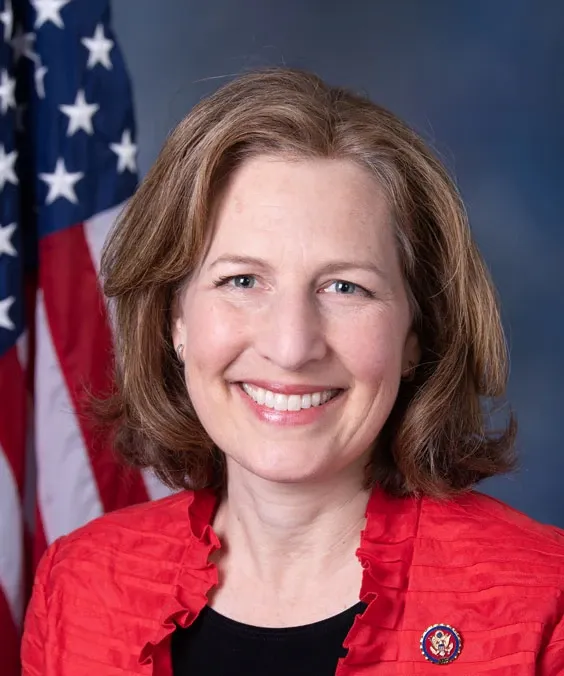
Adam Smith is a U.S. Representative for Washington's 9th congressional district, serving since 1997. A member of the Democratic Party, he has focused on various legislative efforts, particularly in defense and foreign policy. Throughout his tenure, Smith has been involved in key discussions and initiatives related to national security and military funding, reflecting his commitment to these issues. He has also been an advocate for progressive policies within his district and has worked on legislation addressing economic and social challenges faced by his constituents.
the primary role of those forces is not anymore defending the Germans or Italians; it is simply a way that we can be forward-deployed in the areas where our troops are most likely to see combat in the future.
After World War I, our Armed Forces shrank from 2.9 million men to 250,000 in 1928.
I think it is very important that we do that, that we make it clear the impact that these cuts will have on our ability to protect this Nation.
if we face a trillion dollars in cuts, if we face the loss of 30 percent of our defense budget over the next decade, we are not going to have the capacity to back up our commitments.
After World War II, our Armed Forces shrank from 12 million men in 1945 to 1.4 million in 1950.
If there is one iron law of American history, it is that those cuts have made future wars more likely.
I look forward to this discussion. I think it is the most important thing we are doing right now because it will form our national security policy in the years and decades to follow.
if we feel very, very strongly that those proposed cuts are going to do irreparable harm to our national security strategy, that they should not be made, then we also have an obligation to come up with the money so that we don't make them.
I think it is one of the most important challenges that we face on the Armed Services Committee and certainly in our national security Department of Defense strategy, to figure out how we deal with the budget deficit we face pending cuts.
But, I do believe that we can rationally evaluate our national security strategy, our defense expenditures, and the current set of missions we ask the military to undertake and come up with a strategy that requires less funding.
I hope the witnesses here today and at future hearings can help us think through our national security strategy and potential changes.
Politicians like Adam Smith