Feb 3, 2014
While there is often, as it relates to Dodd-Frank, a negligible, if any benefit to some of the rules that have been adopted, there is also a great cost.
The Public Record
While there is often, as it relates to Dodd-Frank, a negligible, if any benefit to some of the rules that have been adopted, there is also a great cost.
thank you for joining us today. I thank the chairman for spearheading an effort to try to improve the way this works.
this is sort of rare in Washington, it seems to me, where you have folks who are not necessarily represented by moneyed interests here testifying before your Congress.
I wanted to first of all talk a little bit about the mapping process, what if there are those who would like to delay provisions of the Biggert-Waters Act.
I appreciate the subcommittee taking a holistic approach to examining our capital markets' regulatory structure and its impact on innovative companies.
So XBRL to some degree is a little bit of a symptom, but there is a disease out there, and we need to overhaul these systems into the 21st Century.
I want to thank you for holding today's hearing on reducing barriers to capital formation.
This action by the FSOC raises concern for the development of financial regulation in the future and carries significant consequences for government and industry.
FSOC, armed with this authority, has the ability to pressure regulators whose actions do not align with the current Administration's views.
Congress entrusts financial regulatory responsibility to specific regulatory bodies with specific areas of expertise and jurisdiction.
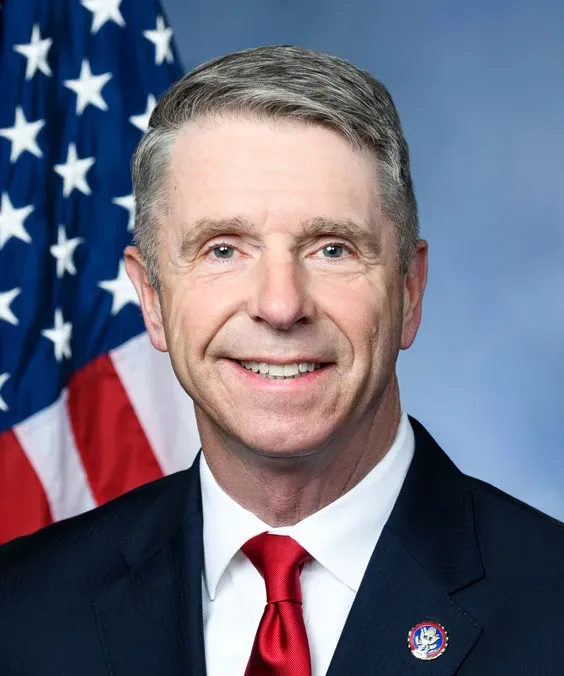
Politicians like Robert Hurt