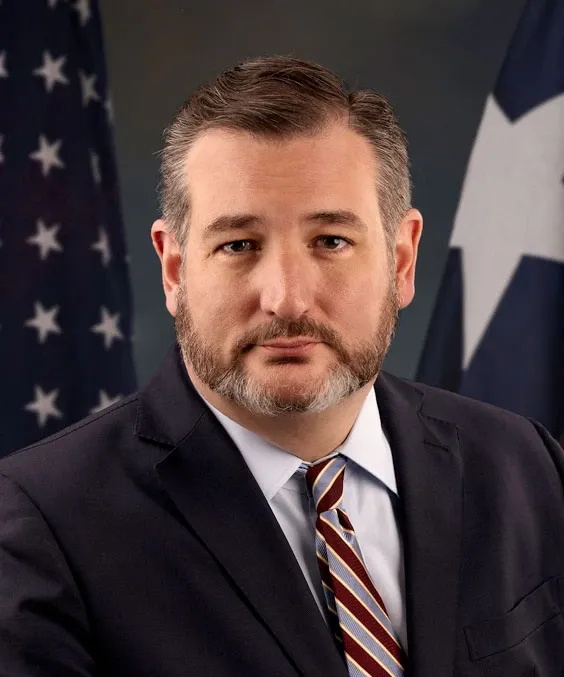
On the recordJune 24, 2021
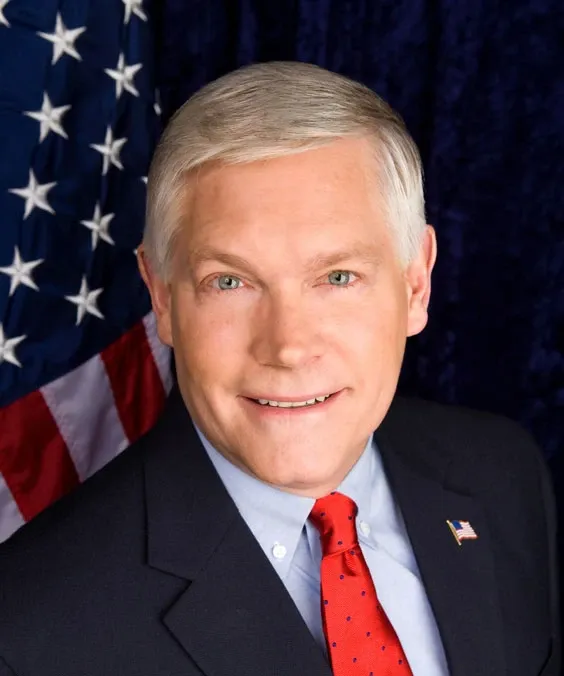
It is past time for Congress to reassert its role in the war powers discussion. I proudly joined many of my colleagues from both sides of the aisle last week in voting to repeal the 2002 AUMF. This AUMF provided for military operations in Iraq, an Iraq that is far different from the one we know today. The goal was to defend the United States against the threat posed by an Iraq of 20 years ago, specifically, that of Saddam Hussein. Saddam Hussein was captured in December of 2003 and executed 3 years later. Despite ousting Saddam Hussein, the 2002 AUMF has remained on the books. Less than one-fifth of the current Members of the House of Representatives were present on that original AUMF vote. As you can imagine, many Members have entered Congress and left the Halls of Congress without ever taking a vote on the 2001 or 2002 AUMFs. Repealing the existing AUMFs, like the one from 2002, can be a step in the right direction in Congress reasserting its Article I powers, but we should not stop there. We need to rethink how we approach military authorizations. A few weeks ago, I introduced the Preventing Endless Armed Conflict and Engagement Act, or the PEACE Act for short. The goal of this bill is to ensure regular oversight is being conducted on future military authorizations. First, this bill would require each military authorization, or AUMF, to terminate after 2 years. This is because the Constitution stipulates that military funding should not extend past 2 years.…