Jan 25, 2011
I think it's important to point out that we took up the repeal of that bill last year in congress.
The Public Record
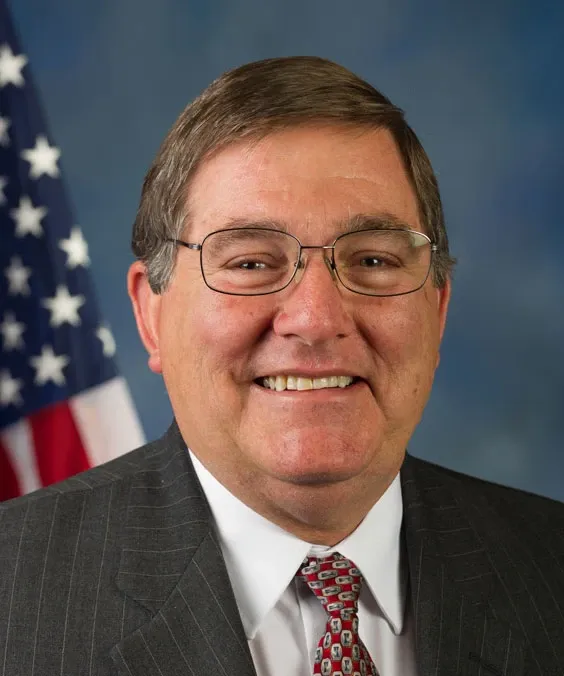
Kevin Brady is a Republican politician from Texas, best known for his role as a member of the U.S. House of Representatives, where he served from 1997 to 2021. During his tenure, he held significant positions, including Chairman of the House Ways and Means Committee, where he played a key role in shaping tax policy and economic legislation. Brady was instrumental in the passage of the Tax Cuts and Jobs Act of 2017, which aimed to reduce taxes for individuals and businesses. He has also been an advocate for various initiatives related to trade, healthcare, and education.
I think it's important to point out that we took up the repeal of that bill last year in congress.
The health care law will increase premiums for millions of families by up to $2,100 on average by 2016.
That's the problem with the health care law that puts Washington, D.C., the Federal Government, at the center, instead of patients and doctors.
The new health care law compounds the uncertainty employers and entrepreneurs are facing under the most challenging economic climate since the Great Depression.
Every doctor that I know calls this a denial of care bill, when they look at the economic aspects of this.
At the end of the day, the health care law fails to control costs, it fails to let Americans keep the insurance they have and like...
There are well over $500 billion in new taxes, many of which will hit middle-class families and small businesses.
As many as 7 out of 10 employers will have to change the coverage they offer to their employees because of the law.
But the head of Blue Shield writes, 'These rates reflect trends that were building long before health reform.'
How is it that Congress passed a health care bill that is "counterproductive" to American employers?
How can you create over 100 new agencies, commissions, and boards, massively increase the regulatory side of this, and somehow reduce costs, while raising taxes on businesses and cutting the direct access to benefits?
Politicians like Kevin Brady